
I first tried zuppa del giorno soup at a small Italian restaurant years ago.
The waiter said “it changes every day.” I had no idea what to expect.
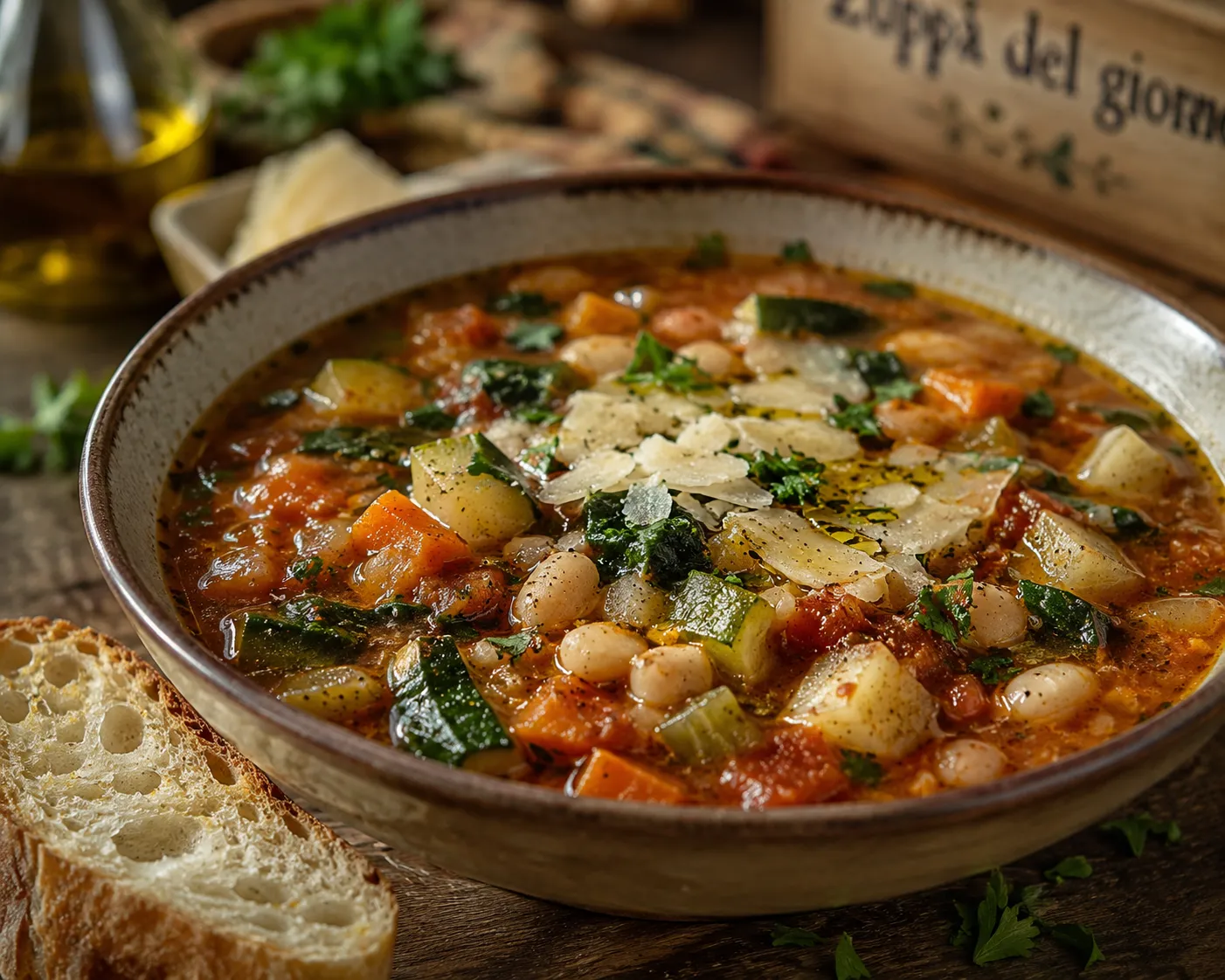
What came to my table was a simple bowl of vegetables, beans, and broth. Nothing fancy. But I still think about that bowl to this day.
That’s the thing about this soup. It doesn’t impress you with its looks. It earns your respect with its flavor.
Since that day, I’ve made zuppa del giorno soup dozens of times at home. Every time slightly different. Every time just as good.
What Is Zuppa Del Giorno Soup, Really?
A lot of people think it’s a specific recipe. It’s not.
Zuppa del giorno is Italian for “soup of the day.” Zuppa means soup. Del giorno means of the day.
So when you see it on a restaurant menu, the chef is basically saying — this is what I made today with whatever was fresh. It changes daily.
That’s why you’ll never find one “official” version of this soup. And honestly, that’s what makes it special.
Where Did This Soup Come From?
This soup has its roots in something called cucina povera — which means “poor kitchen” in Italian.
Rural Italian families, especially in the south, couldn’t afford to waste anything. Whatever vegetables were left, whatever beans were sitting in the pantry — everything went into one pot.
Small restaurants started putting “zuppa del giorno” on their menus to say: we made today’s soup from what was available this morning.
In the north of Italy, the soup tends to be richer — more root vegetables, heavier broth, sometimes meat.
In the south, it’s usually lighter. More tomatoes, more herbs, often fully vegetarian.
But the idea is always the same. Fresh ingredients. One pot. A warm, honest meal.
What Does It Actually Taste Like?
It’s savory. Gently herby. Comforting without being heavy.
The vegetables slowly release their natural sweetness into the broth. The garlic and onion give it depth. The tomatoes add a slight sharpness that balances everything out.
It’s not spicy. It’s not bold. It’s the kind of soup that just feels right.
Ingredients You’ll Need
The beauty of this recipe is that almost everything in it can be swapped based on what you have at home.
This is my go-to version — the one I make most often.
| Ingredient | Amount | Notes |
|---|---|---|
| Extra virgin olive oil | 2 tbsp | Don’t skip — it builds the flavor base |
| Yellow onion | 1 large | Finely chopped |
| Garlic cloves | 4 cloves | Minced |
| Carrots | 2 medium | Diced |
| Celery stalks | 2 stalks | Chopped |
| Potato | 1 large | Peeled and cubed |
| Zucchini | 1 medium | Optional but I always add it |
| Canned diced tomatoes | 1 can (400g) | San Marzano if you can find them |
| Tomato paste | 1 tbsp | Gives the broth real depth |
| Vegetable or chicken broth | 6 cups | Low sodium works best |
| Cannellini beans | 1 can (400g) | Drained and rinsed |
| Small pasta (ditalini) | ½ cup | Optional — leave out to keep it lighter |
| Fresh spinach or kale | 2 big handfuls | Stirred in right at the end |
| Dried oregano | 1 tsp | |
| Dried basil | 1 tsp | |
| Salt and black pepper | To taste | Season as you go |
| Fresh parsley | 2 tbsp | For garnish |
| Parmesan cheese | To taste | Optional but highly recommended |
What You’ll Need in the Kitchen
You don’t need anything special for this. Just the basics.
| Equipment | What It’s For |
|---|---|
| Large pot (at least 5 qt) | Everything cooks in here |
| Sharp knife | Chopping all the vegetables |
| Cutting board | Prep surface |
| Wooden spoon | Stirring |
| Ladle | Serving |
How I Make It — Step by Step
Prep time: 15 minutes | Cook time: 40 minutes | Serves: 5 to 6
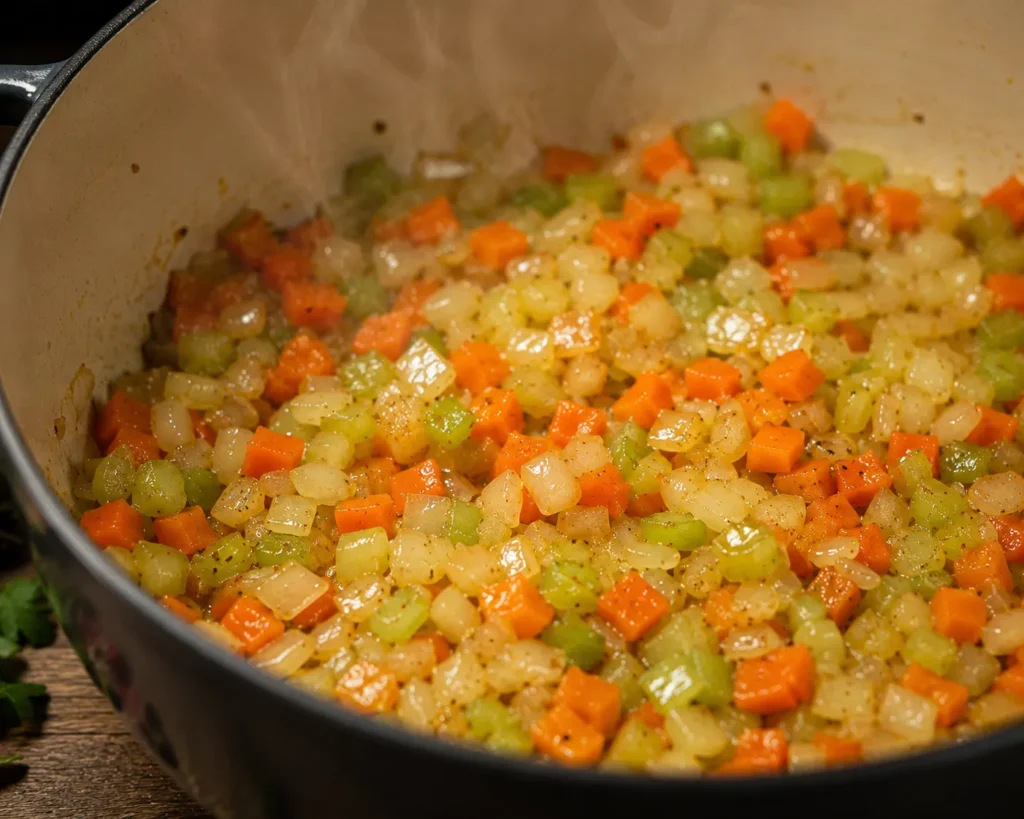
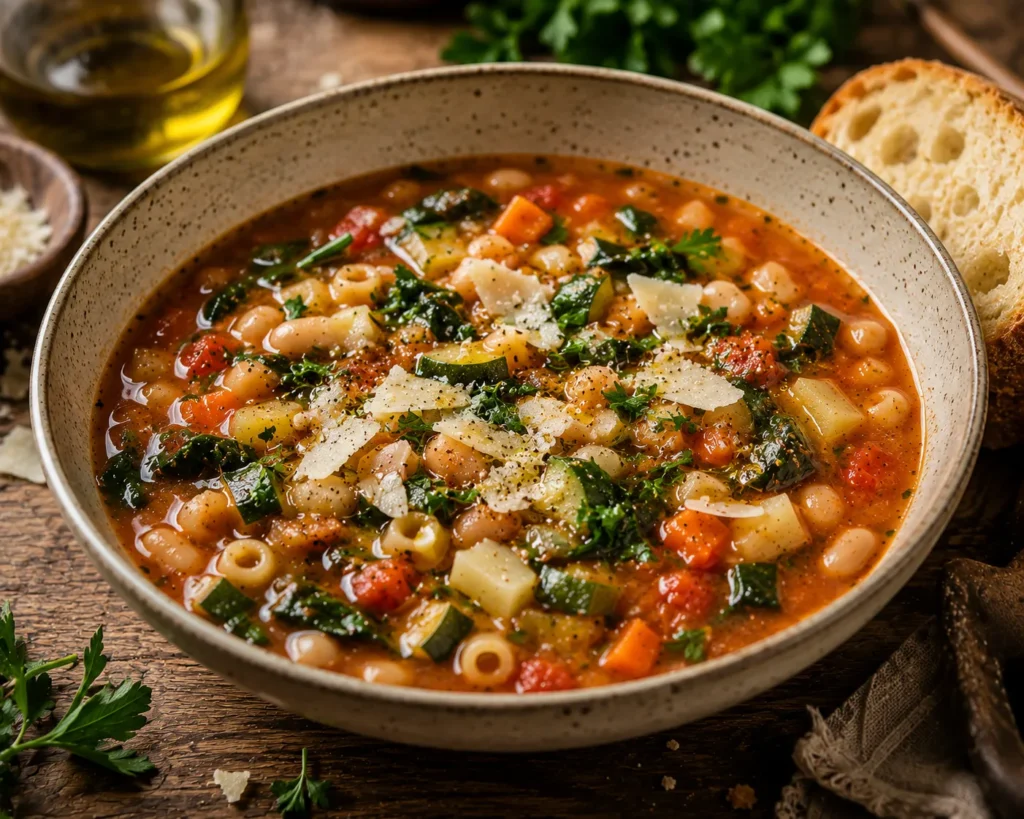
Step 1. Heat the olive oil in your pot over medium heat. Add the onion, carrots, and celery. Cook for about 7 minutes, stirring every couple of minutes. You want them soft and the onion turning translucent — not browned.
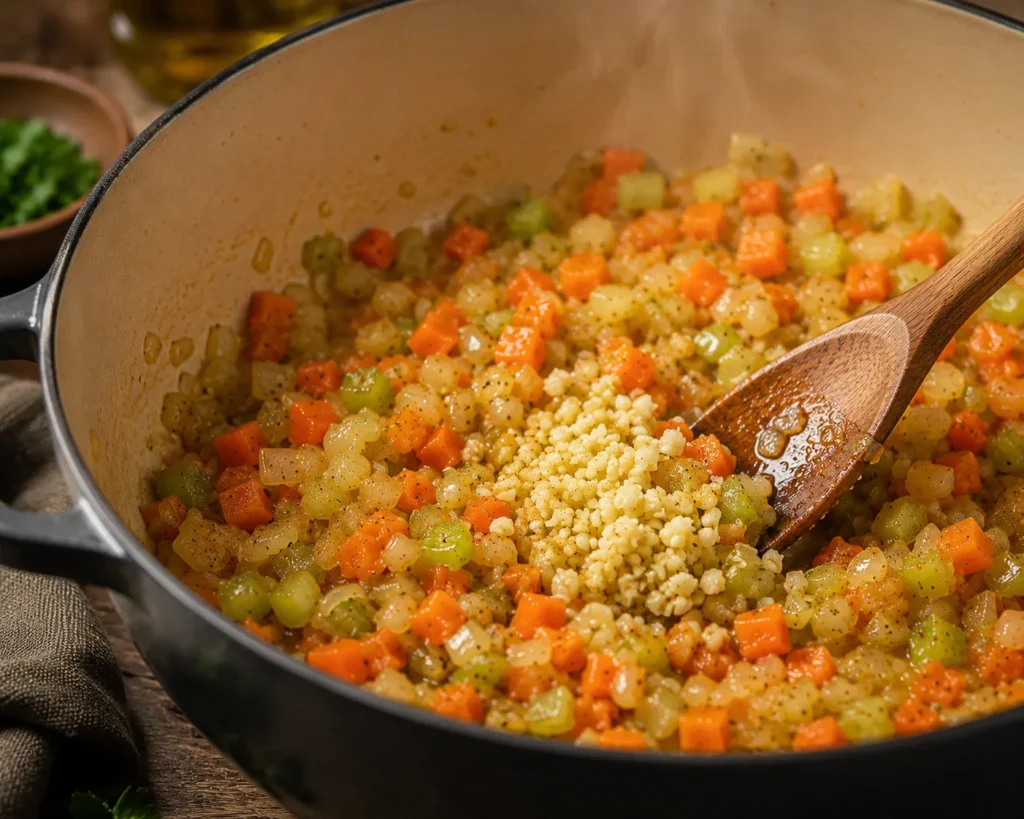
Step 2. Add the garlic. Stir constantly for one minute. It should smell incredible at this point. Don’t let it burn.
Step 3. Add the tomato paste. Stir it around and let it cook for 2 minutes. This removes the raw tinny taste and adds a richer color to the broth.
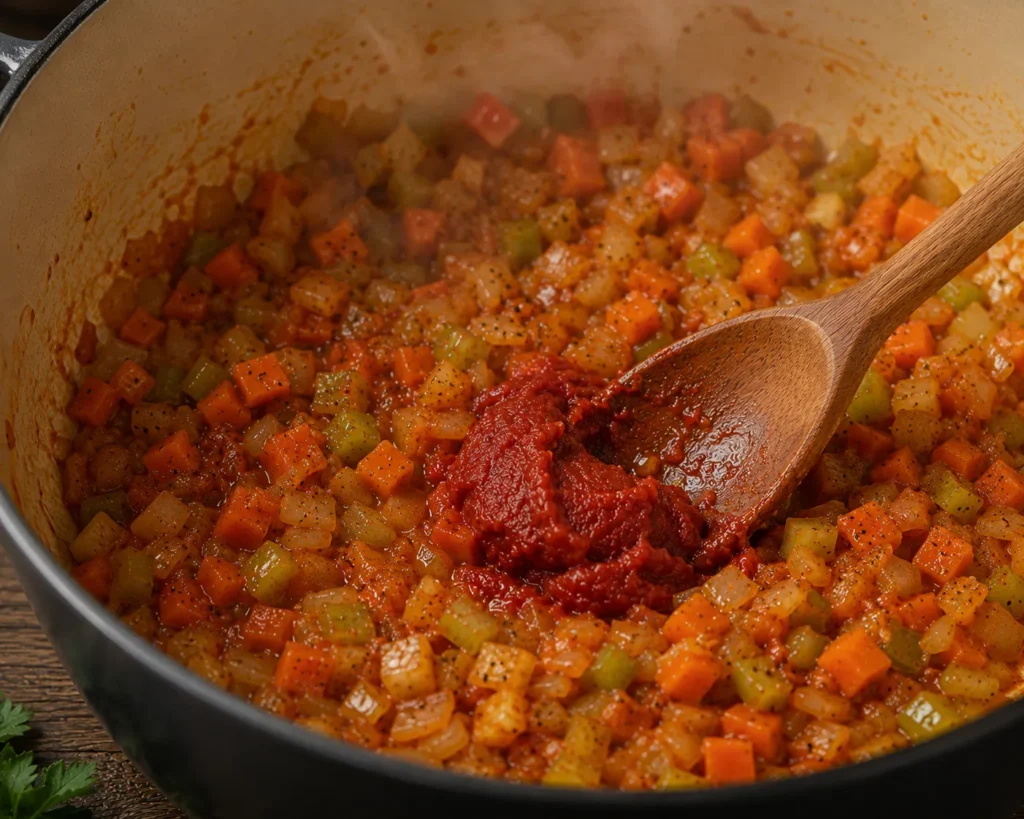
Step 4. Add the diced tomatoes and potato. Stir and cook together for 3 minutes.
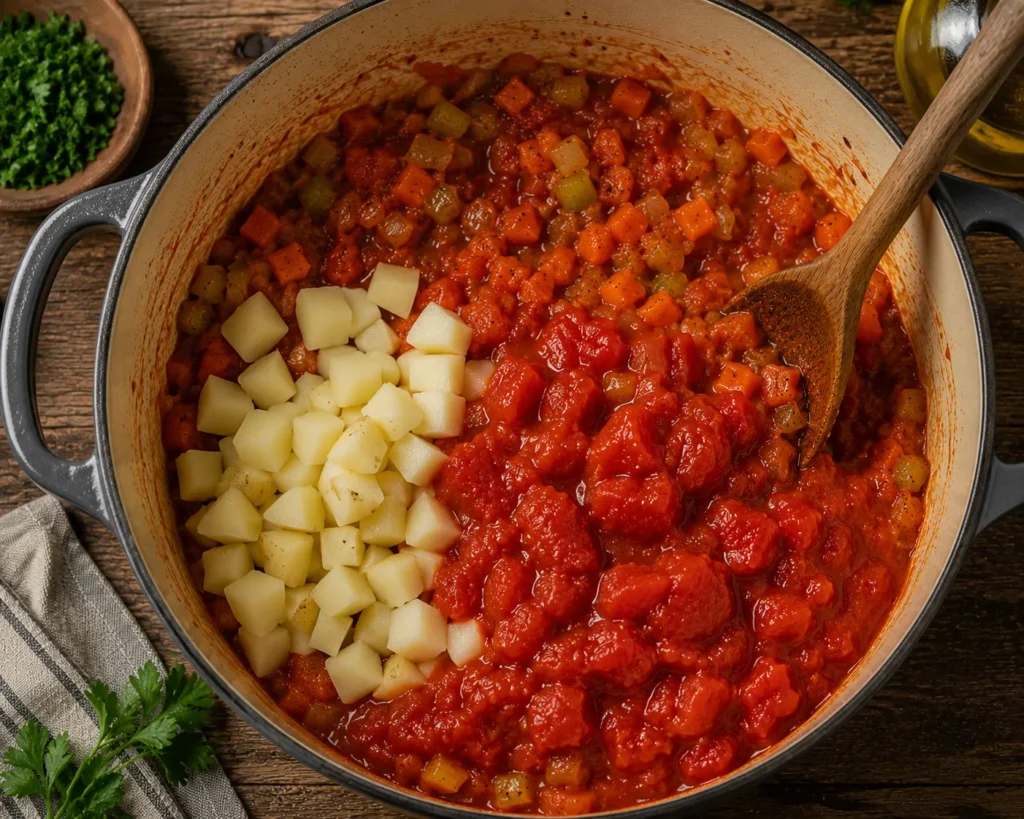
Step 5. Pour in the broth. Add oregano, basil, salt, and pepper. Bring to a boil, then lower the heat, put the lid on, and simmer for 20 to 25 minutes until the potato is completely soft.
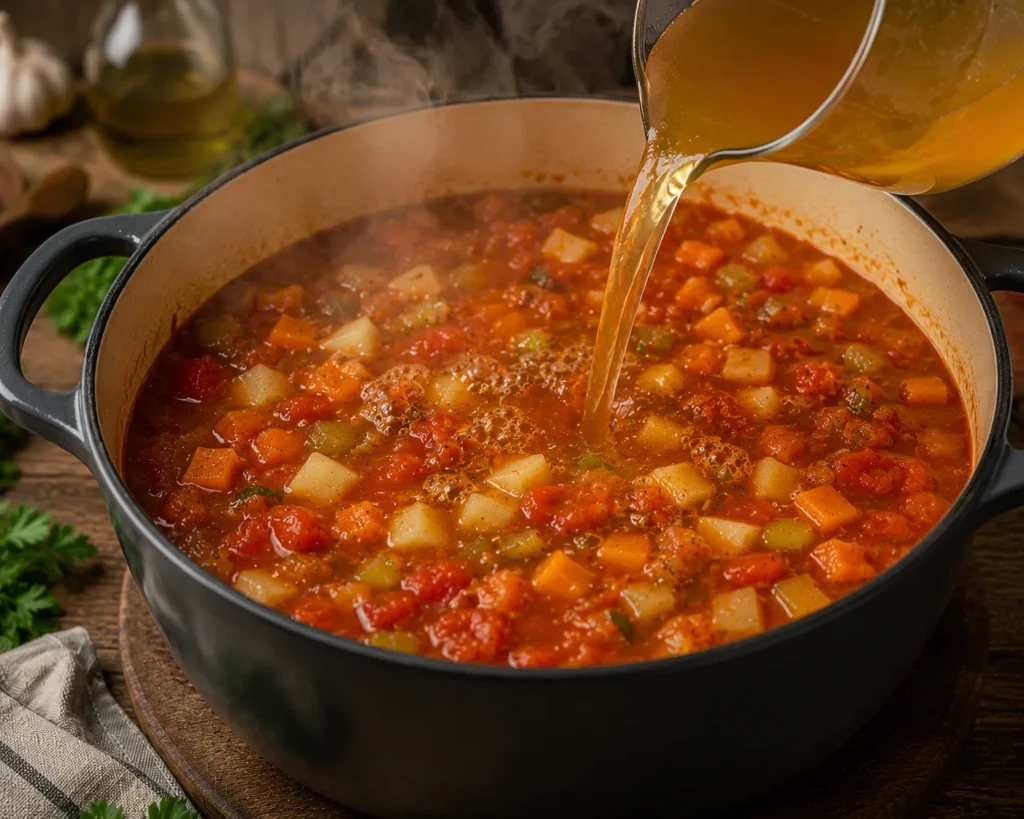
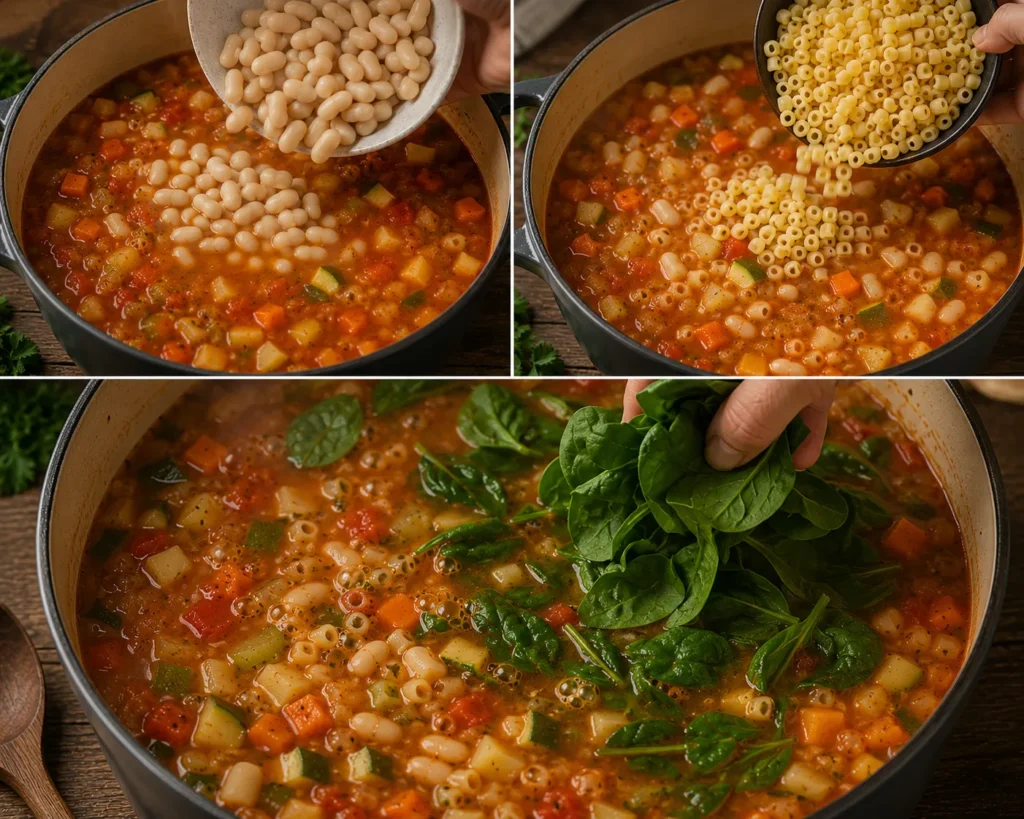
Step 6. Stir in the beans and pasta if you’re using it. Cook uncovered for 8 to 10 minutes. Add the spinach or kale in the last 2 minutes and stir until wilted.
Step 7. Taste. Adjust salt. Ladle into bowls. Add parsley and Parmesan on top. A small drizzle of olive oil over the finished bowl makes a real difference.
How to Change It Up by Season
This is the part I love most about zuppa del giorno soup. It’s never the same twice.
I rotate what I put in it based on what’s fresh at the market that week.
| Season | Vegetables I Use | What I Add for Protein | How It Tastes |
|---|---|---|---|
| Spring | Asparagus, peas, leeks | White beans or poached chicken | Light and bright |
| Summer | Zucchini, fresh tomatoes, eggplant | Chickpeas or Italian sausage | Rich, herby, tomato-forward |
| Autumn | Butternut squash, mushrooms, sweet potato | Lentils or smoked sausage | Earthy and warming |
| Winter | Cavolo nero, parsnip, root vegetables | Cannellini beans or beef broth base | Deep, hearty, satisfying |
Once you start cooking it this way — building the soup around what’s actually in season — you’ll never go back.
Nutrition Per Serving
I know a lot of people want to know this. Here’s a rough breakdown for the base recipe without pasta.
| Nutrient | Per Serving (approx.) |
|---|---|
| Calories | 210 to 240 kcal |
| Protein | 9 to 11g |
| Carbohydrates | 28 to 32g |
| Dietary Fiber | 7 to 9g |
| Total Fat | 6 to 7g |
| Sodium | 480 to 520mg |
| Vitamin A | High — from carrots and greens |
| Vitamin C | High — from tomatoes and zucchini |
| Iron | Moderate — from beans and dark greens |
Numbers will shift depending on your exact ingredients and broth brand.
What to Serve With It
My go-to is warm focaccia or crusty Italian bread on the side.
You want something that can soak up the broth. That last bit of broth at the bottom of the bowl is honestly the best part.
A small green salad with olive oil and red wine vinegar works really nicely alongside it too. Keeps the meal feeling balanced without being heavy.
Storing and Reheating
This soup keeps really well. Honestly it tastes better the next day — the flavors settle and deepen overnight.
In the fridge it lasts up to 4 days in a sealed container. If you added pasta, it will absorb the broth and thicken overnight. Just add a splash of water or broth when reheating and it comes back perfectly.
For freezing, I always make a batch without pasta and freeze it in portions. It keeps for up to 3 months. Thaw it in the fridge overnight and reheat slowly on the stovetop.
Two Mistakes I Made Early On
The first time I made this at home, I rushed the aromatics. I added the onion and moved on after two minutes.
The soup came out flat. No depth. I couldn’t figure out why.
The answer was those 7 minutes of slow sautéing. That’s where most of the broth’s flavor comes from. Don’t rush it.
The second mistake was adding the pasta too early. By the time I served the soup, the pasta was soft and mushy. Now I always add it in the last 10 minutes — slightly undercooked — because it keeps cooking from the heat of the broth.
Questions I Get Asked A Lot
No. The name literally means “soup of the day.” It changes every time based on what’s fresh. That’s the whole point of it.
Yes, easily. Use vegetable broth and skip the Parmesan. The soup is already mostly plants, so very little changes.
Absolutely. I sometimes brown Italian sausage in the pot first, before the vegetables. It flavors the entire broth. Shredded rotisserie chicken stirred in at the end also works great.
Two reasons usually. Either the broth wasn’t flavorful enough to start with, or you didn’t season as you cooked — only at the end. Season in layers. Taste at every stage. And add that tablespoon of tomato paste early — it changes the whole broth.
Minestrone has a fairly fixed list of ingredients. Zuppa del giorno is looser — more of a philosophy than a recipe. Minestrone is one version of zuppa del giorno. But there are infinite others.
Four days in the fridge. Three months in the freezer. And it genuinely gets better after day one
