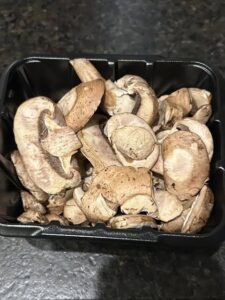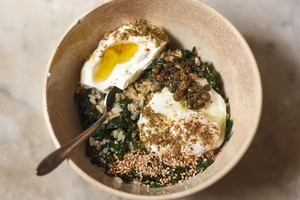


For most everyday varieties, the best way to cook mushroom is in a wide, hot skillet. Sautéing gives you direct control over browning, moisture, seasoning, and doneness. Roasting is better for a large batch, grilling suits portabella and king oyster, and simmering works for shiitake, enoki, and other mushrooms used in broth.
The “best” method depends on the variety and the meal. Use the chart below to choose quickly.
| Method | Best mushrooms | Main advantage | Starting time |
|---|---|---|---|
| Sauté | Button, cremini, shiitake, oyster | Strong browning and control | 6–10 minutes |
| Roast | Cremini, button, maitake, oyster | Easy for a large batch | 18–25 minutes at 425°F |
| Grill | Portabella, king oyster | Smoky flavor and firm texture | 4–6 minutes per side |
| Stir-fry | Shiitake, shimeji, king oyster | Fast cooking with vegetables | 5–8 minutes |
| Simmer | Shiitake, enoki, oyster | Absorbs broth and adds flavor | Varies by variety |
| Air-fry | Oyster, maitake, button | Crisp edges with little cleanup | 8–14 minutes |
Times are starting points. Piece size, water content, pan material, and heat output change the result.
Best overall method: high-heat sautéing
Sautéing is the most flexible answer because it works with inexpensive button mushrooms and specialty varieties. The goal is to let the mushroom release moisture, allow that liquid to evaporate, and then develop brown edges.
Ingredients for a basic skillet batch
- 1 pound mushrooms
- 2 tablespoons olive oil or neutral oil
- 1 tablespoon unsalted butter
- 1 garlic clove, minced
- 1 teaspoon fresh thyme leaves
- Kosher salt and black pepper
- 1–2 teaspoons lemon juice
Method
- Clean the mushrooms and dry them well.
- Cut button or cremini into thick slices or quarters. Tear oyster or maitake into medium pieces.
- Heat a 12-inch skillet over medium-high heat.
- Add oil and half the mushrooms if the full pound will crowd the pan.
- Leave the first side undisturbed for two to three minutes.
- Turn and cook until released liquid evaporates and the edges brown.
- Repeat with the remaining mushrooms.
- Return everything to the pan. Add butter, garlic, and thyme for the final minute.
- Season and finish with lemon juice.
Adding butter late gives you its flavor without exposing it to the highest heat for the entire cooking time.
Why mushrooms become watery
Fresh mushrooms contain a large amount of water. A crowded pan traps steam and lowers the surface temperature. The pieces soften before they can brown.
Use a wide pan and cook in batches. If liquid collects, do not pour it away immediately. Continue cooking until it evaporates, then let the mushroom surfaces make contact with the hot pan.
Adding cream, wine, stock, tomato sauce, or soy sauce too early creates the same problem. Brown first and add wet ingredients afterward.
Best way to roast mushrooms
Roasting is useful when you need four or more servings or want to cook another part of the meal on the stovetop.
Heat the oven to 425°F. Toss one pound of mushrooms with two tablespoons of oil, salt, and pepper. Spread them over a large sheet pan without heavy overlap. Roast for 18–25 minutes, turning once.
Use quarters for button or cremini mushrooms and large torn pieces for oyster or maitake. Add minced garlic during the second half of cooking so it does not burn. Finish with herbs, Parmesan, balsamic vinegar, or lemon.
Best way to grill mushrooms
Portabella caps and king oyster planks are sturdy enough for direct grilling. Remove tough stems, brush lightly with oil, and season. Grill over medium-high heat until tender and marked on both sides.
Small mushrooms need skewers or a grill basket. Keep pieces thick enough to stay juicy. A long watery marinade can make mushrooms steam, so use a short coating and reserve extra sauce for serving.
Grilled mushrooms work in sandwiches, tacos, salads, and grain bowls.
Best way to stir-fry mushrooms
Use shiitake, shimeji, oyster, king oyster, or cremini. Prepare the sauce before heating the pan. Cook dense king oyster or cremini pieces first, followed by shiitake and shimeji. Add delicate oyster pieces later.
Let the mushrooms color before adding soy sauce or another liquid. Cook vegetables in stages based on density. Carrots and broccoli stems enter before snow peas, greens, or scallions.
Best way to cook mushrooms in soup
For creamy soup, brown cremini or button mushrooms before adding stock. Browning creates a richer flavor and prevents the soup from tasting flat.
For clear broth, ramen, or hot pot, fresh shiitake can simmer directly in the liquid. Add enoki near the end and follow its package directions. Rehydrate dried shiitake or porcini fully and filter the soaking liquid before adding it to broth.
Match the method to the variety
Button and cremini
Sauté or roast. Thick slices and quarters keep a juicy center. These are the easiest all-purpose choices.
Portabella
Grill, roast, or stuff the cap. Remove the stem if it is tough. The dark gills are edible but may color pale sauces.
Shiitake
Remove fibrous stems and cook the caps in a stir-fry, broth, or skillet. Save clean stems for stock.
Oyster and maitake
Tear into large clusters and sear or roast. Their thin edges become crisp before the center dries out.
King oyster
Cut the thick stem into planks or coins. Sear, grill, or add to a stir-fry. Thin cuts cook more evenly than large cubes.
Enoki
Trim the root block, divide into small bundles, and cook thoroughly in soup, hot pot, or foil packets according to the package.
When to add salt
Salting at the beginning is not automatically wrong, but it can draw moisture to the surface. Beginners often get a more predictable result by adding salt after the first browning stage.
Seasoning timing matters less than pan space and heat. Even salted mushrooms can brown when the pan is wide enough and the moisture is allowed to evaporate.
Common mistakes
- Using a cold pan
- Cutting delicate mushrooms too small
- Crowding several layers into one skillet
- Stirring constantly before the first side browns
- Adding garlic at the beginning
- Pouring sauce into the pan before moisture evaporates
- Using the same cooking time for every variety
Frequently asked questions
Oil tolerates higher heat. Butter adds flavor. Start with oil and add butter near the end for the advantages of both.
Remove visible dirt. A quick rinse is fine when followed by immediate drying. Avoid long soaking.
For sautéing, they should be tender, browned, and sitting in a pan without pooled water. Other methods have different visual cues.
Yes. Cook, cool, and refrigerate them promptly. Reheat in a skillet or oven for better texture.
Use thick slices and sauté until brown before adding cream, tomato sauce, or pasta water.