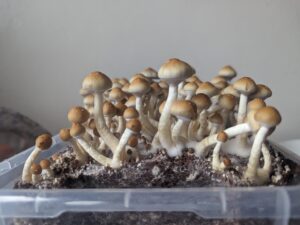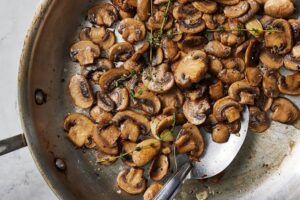

The mushroom protein content of most fresh varieties is about 2 to 3.5 grams per 100 grams. Oyster and white button mushrooms are often near the higher end of that small range, while portobello, shiitake, and maitake may be slightly lower. The exact number changes with the variety, growing conditions, water level, and nutrition database entry.
People searching for mushrooms protein per 100g may see much larger numbers on some websites. This usually happens because fresh and dried mushrooms are being compared as if they were the same food. Fresh mushrooms contain a lot of water. Once they are dried, the water is removed and the nutrients become concentrated by weight.
Is there any protein in mushrooms?
Yes, mushrooms contain protein. A normal serving adds a small amount, but fresh mushrooms are not a high-protein food like chicken, eggs, Greek yogurt, tofu, lentils, or beans.
Think of mushrooms as a flavorful food that can support a balanced meal. They bring an earthy, savory taste and useful nutrients, but they should usually be paired with a stronger protein source when protein is the main goal.
Mushroom protein content per 100g by type
The table below gives useful approximate values for common raw mushrooms. Figures are rounded because USDA FoodData Central entries and individual products can differ slightly.
One hundred grams is about 3.5 ounces. It is a fair way to compare varieties, even though the amount in cups changes because each mushroom has a different shape and density.
| Fresh mushroom, raw | Approximate protein per 100g | Taste and texture | Easy use |
|---|---|---|---|
| White button | 3.1 g | Mild and soft when cooked | Omelets, pizza, soup |
| Oyster | 3.3 g | Tender with light seafood notes | Stir-fry, tacos, noodles |
| Cremini | 2.5 g | Deeper flavor than white button | Pasta, sauce, grain bowls |
| Enoki | 2.7 g | Mild with thin, crisp stems | Soup, hot pot, stir-fry |
| Shiitake | 2.2 g | Strong, smoky, and savory | Broth, noodles, fried rice |
| Portobello | 2.1 g | Firm and meaty | Grilled sandwiches, stuffed caps |
| Maitake | 1.9 g | Rich with crisp edges when roasted | Sheet-pan meals, rice bowls |
These numbers are for raw fresh mushrooms. Cooking can change the weight because mushrooms lose water. A cooked 100-gram portion may appear to have more protein than a raw 100-gram portion, even when no protein was added.
Fresh mushrooms versus dried mushrooms
Dried mushrooms may show 15, 20, or even more grams of protein per 100 grams. That does not mean drying creates protein. It means 100 grams of dried mushrooms contains much more actual mushroom material and far less water than 100 grams of fresh mushrooms.
This difference matters when reading a nutrition table. Most people do not eat 100 grams of dried shiitake in one meal. A recipe may use only 10 to 20 grams, soak the pieces in water, and divide them among several servings.
For a fair meal comparison, check the amount that will really be eaten. Ten grams of a dried product labeled with 20 grams of protein per 100 grams provides about 2 grams of protein before other ingredients are counted.
How much protein is in a normal serving?
A cup of sliced mushrooms does not always weigh 100 grams. Light oyster pieces, thin enoki stems, and dense portobello cubes fill a cup in different ways.
Use the package label when available. For an everyday estimate, one cup of raw sliced mushrooms often provides roughly 1.5 to 3 grams of protein, depending on the type and how tightly the cup is filled.
| Common portion | Approximate protein | What this means in a meal |
|---|---|---|
| 1 cup sliced white mushrooms | About 2 g | A small addition to breakfast or lunch |
| 1 large portobello cap | About 2 to 3 g | Add beans, cheese, tofu, egg, or meat for more protein |
| 1 cup oyster mushroom pieces | About 2 to 3 g | Works well beside edamame or chicken |
| ½ cup cooked mushrooms | About 2 g, depending on type | The number changes with water loss and portion weight |
| 10 g dried mushrooms | About 2 g if the label lists 20 g per 100 g | Check the dry weight before soaking |
Are mushrooms a complete protein?
Mushrooms contain amino acids, which are the small parts that make up protein. However, the amount of total protein in a regular fresh serving is low. Calling mushrooms a “complete protein” can therefore give readers the wrong idea about how much they contribute to a full day of eating.
For practical meal planning, use mushrooms for flavor, texture, and variety. Use beans, peas, lentils, soy foods, eggs, dairy, seafood, poultry, meat, nuts, or seeds to provide a larger share of the meal’s protein.
The FDA uses 50 grams as the Daily Value for protein on a 2,000-calorie nutrition label. Personal needs are not the same for everyone. Age, body size, activity, pregnancy, health conditions, and fitness goals can change what a person needs.
What changes mushroom protein content?
Several details can make two tables show different numbers. This does not always mean one table is wrong.
- Variety: Oyster, white button, shiitake, and maitake do not have the same natural makeup.
- Fresh or dried: Removing water raises the nutrient amount per 100 grams.
- Raw or cooked: Cooking changes water weight and serving size.
- Added ingredients: Cheese, eggs, milk, tofu, beans, or meat raise the protein in a mushroom dish.
- Brand and growing method: Packaged products can vary, so the label is useful.
- Rounding: Nutrition databases and labels may round small values.
Always compare the same form of food. Raw mushrooms should be compared with raw mushrooms, and dried products should be compared with other dried products.
Do mushrooms work as a meat replacement?
Mushrooms can replace some of the texture and savory flavor of meat, but they do not replace the same amount of protein by themselves. One hundred grams of fresh mushrooms usually provides only a few grams of protein, while many meat, fish, soy, dairy, egg, and legume servings provide much more.
A useful method is to replace only part of the meat. Finely chopped cremini can be cooked with ground turkey or beef in tacos, meatballs, and pasta sauce. This adds volume and flavor without removing all the protein from the dish.
For a vegetarian meal, combine mushrooms with lentils, black beans, chickpeas, tofu, tempeh, edamame, eggs, Greek yogurt, or cottage cheese. The result is more filling and nutritionally balanced.
High-protein meal ideas with mushrooms
Mushrooms can help a simple protein food taste richer. Brown them first so their water cooks away and their savory flavor becomes stronger.
| Meal | Mushroom choice | Main protein source | Simple method |
|---|---|---|---|
| Breakfast scramble | Cremini or button | Eggs or tofu | Brown mushrooms, then add eggs or crumbled tofu |
| Lentil pasta sauce | Cremini | Lentils | Cook chopped mushrooms before adding tomatoes and lentils |
| Chicken rice bowl | Shiitake | Chicken or edamame | Sauté with garlic and serve over rice |
| Stuffed portobello | Portobello | Black beans and cheese | Fill the cap and bake until hot |
| Oyster mushroom tacos | Oyster | Pinto beans | Crisp mushrooms and serve with seasoned beans |
| Creamy soup | Button or shiitake | White beans or milk | Blend some beans into the broth |
| Maitake grain bowl | Maitake | Tofu or chickpeas | Roast both on a sheet pan |
How cooking affects the number you see
Mushrooms release a large amount of water in a hot pan. If 200 grams of raw mushrooms cooks down to 120 grams, the total protein in the pan stays close to the starting amount, but the protein per 100 grams of the cooked food looks higher.
Oil and butter do not add protein. Cream adds a little, while cheese, milk, eggs, beans, meat, and soy foods can add much more. A recipe’s final number must include every ingredient and the number of servings.
Boiling may move some water-soluble nutrients into the cooking liquid. If the broth is eaten, those nutrients remain in the meal. For better flavor, many mushrooms benefit from sautéing, roasting, or grilling.
How to read a mushroom nutrition label
Start with the serving size. A package may list nutrition for 85 grams, one cup, a few pieces, or the entire container.
Next, check whether the product is fresh, dried, canned, breaded, or prepared in sauce. Do not compare a dry powder with fresh whole mushrooms. Also watch for sodium in canned or seasoned products.
If two servings are eaten, multiply the protein and every other nutrient by two. The FDA notes that protein often appears as grams without a percent Daily Value, so the gram number is the most useful part for comparison.
Frequently asked questions
Raw white button mushrooms provide about 3.1 grams of protein per 100 grams in common USDA data. A normal cup of sliced mushrooms weighs less than 100 grams, so it usually provides around 2 grams.
Among common U.S. grocery options, oyster and white button mushrooms are often near the top, at roughly 3 to 3.3 grams per 100 grams. Values vary, and the difference between varieties is small compared with a true protein food.
Cooking does not create protein. Cooked mushrooms can show more protein per 100 grams because they have lost water and become lighter.
They have more protein per 100 grams because their water has been removed. The portion eaten is normally much smaller than 100 grams, so calculate protein from the actual dry amount used.
Mushrooms can be part of a meal for an active person, but a serving provides only a small amount of protein. Pair them with a larger protein source and follow a complete eating and training plan.
The bottom line on mushroom protein content
Fresh mushrooms do contain protein, but most varieties provide only about 2 to 3.5 grams per 100 grams. They are better used as a flavorful part of a meal than as the only protein source.
For a stronger meal, combine mushrooms with beans, lentils, soy foods, eggs, dairy, fish, poultry, or meat. Check whether a nutrition number describes raw, cooked, or dried mushrooms before making a comparison.