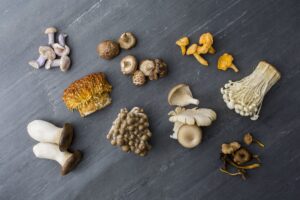

The best mushroom types for eating depend on the meal you want to make. White button mushrooms are mild and affordable. Cremini have a deeper taste. Portobello caps are firm enough for grilling, while oyster and maitake mushrooms can develop crisp edges in a hot pan or oven.
U.S. grocery stores now sell more choices than they did a few years ago. You may find shiitake, enoki, king oyster, lion’s mane, beech mushrooms, or mixed specialty packs beside familiar buttons. Each kind has its own shape, texture, and best cooking method.
Mushroom types for eating at a glance
This table compares common cultivated mushrooms and a few specialty choices. It is meant for mushrooms sold by a reliable grocery store, farm, or professional supplier.
Wild mushrooms require a different level of care. Never use this table to decide whether a mushroom from a yard, trail, tree, or forest is safe to eat.
| Mushroom | Flavor | Texture | Best cooking uses |
|---|---|---|---|
| White button | Mild and lightly earthy | Soft but firm when fresh | Pizza, omelets, soup, salads |
| Cremini | Richer than white button | Firm and juicy | Pasta, sauce, stew, stir-fry |
| Portobello | Deep and savory | Large and meaty | Grilling, stuffing, sandwiches |
| Shiitake | Strong, smoky, and savory | Chewy cap; tough stem | Broth, noodles, fried rice |
| Oyster | Mild with light seafood notes | Tender and layered | Tacos, stir-fry, roasting |
| King oyster | Mild and very savory | Thick, dense stem | Seared “scallops,” grilling, skewers |
| Maitake | Rich and woodsy | Ruffled with crisp edges | Roasting, pasta, grain bowls |
| Enoki | Mild | Thin and lightly crisp | Soup, hot pot, quick stir-fry |
| Beech | Nutty and mild | Small and pleasantly firm | Noodles, rice, soup |
| Lion’s mane | Mild and slightly sweet | Shreddable, like seafood | Seared pieces, tacos, sandwiches |
| Morel | Nutty and earthy | Tender with a hollow cap | Cream sauce, eggs, pasta |
| Chanterelle | Fruity, peppery, and earthy | Tender but firm | Sautéing, eggs, pasta, toast |
White button mushrooms
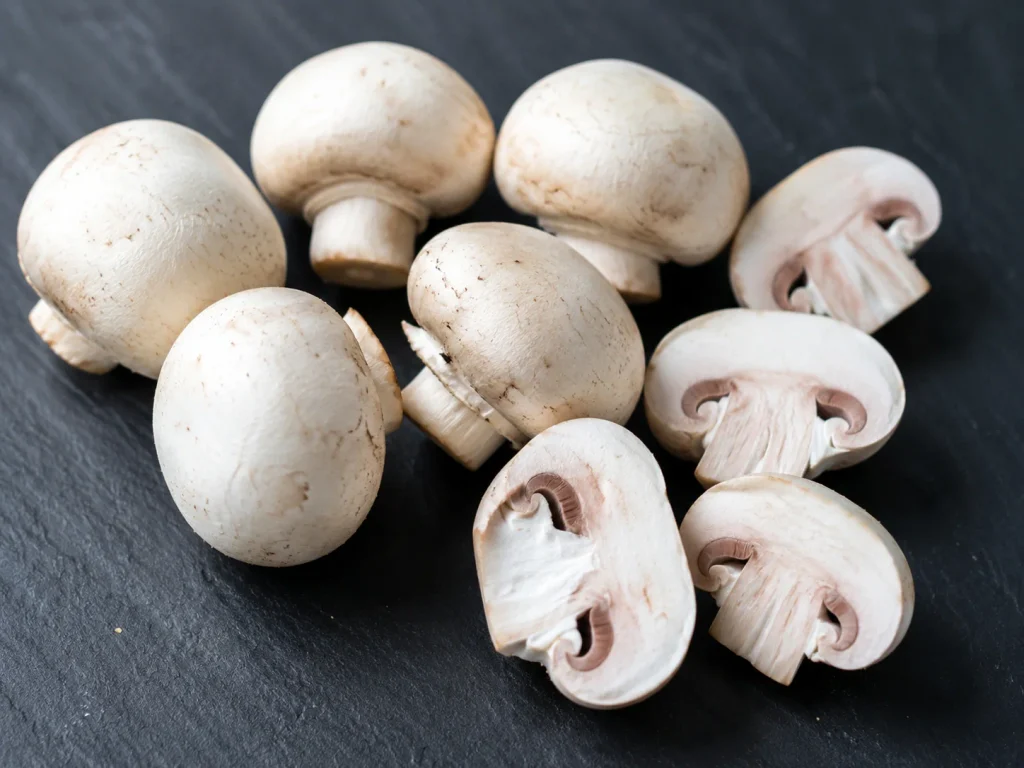
White buttons are the easiest place to start. They are widely sold in the United States, cost less than many specialty varieties, and have a mild taste that works with strong sauces and seasonings.
Choose dry, firm caps without slime or deep dark spots. Slice them for pizza and omelets, quarter them for roasting, or chop them for soup and stuffing. They can be eaten raw when fresh and properly handled, but cooking gives them a deeper flavor and softer texture.
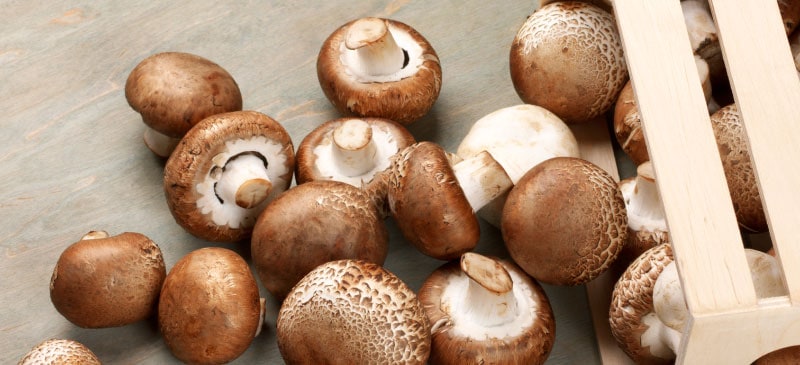
Cremini mushrooms
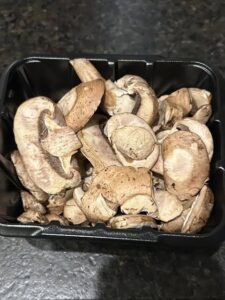
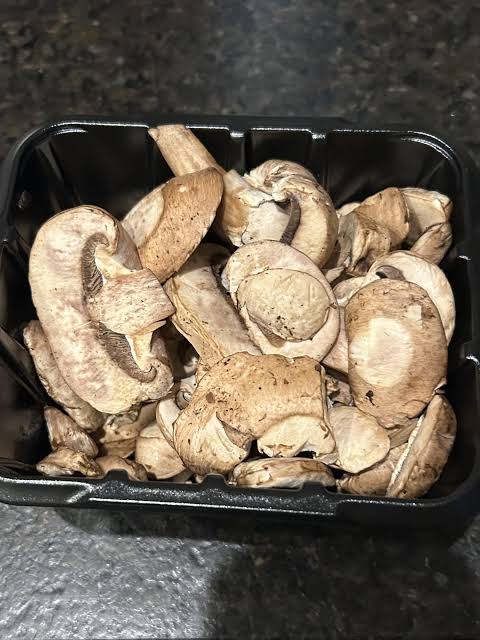
Cremini are also called baby bella mushrooms. They are the same species as white button and portobello mushrooms but are brown and harvested at a different stage.
Their flavor is a little stronger than white buttons, so they work well in pasta sauce, gravy, tacos, rice bowls, and beef dishes. Cook them in a wide pan and give them enough space. Crowding traps steam and prevents browning.
Portobello mushrooms
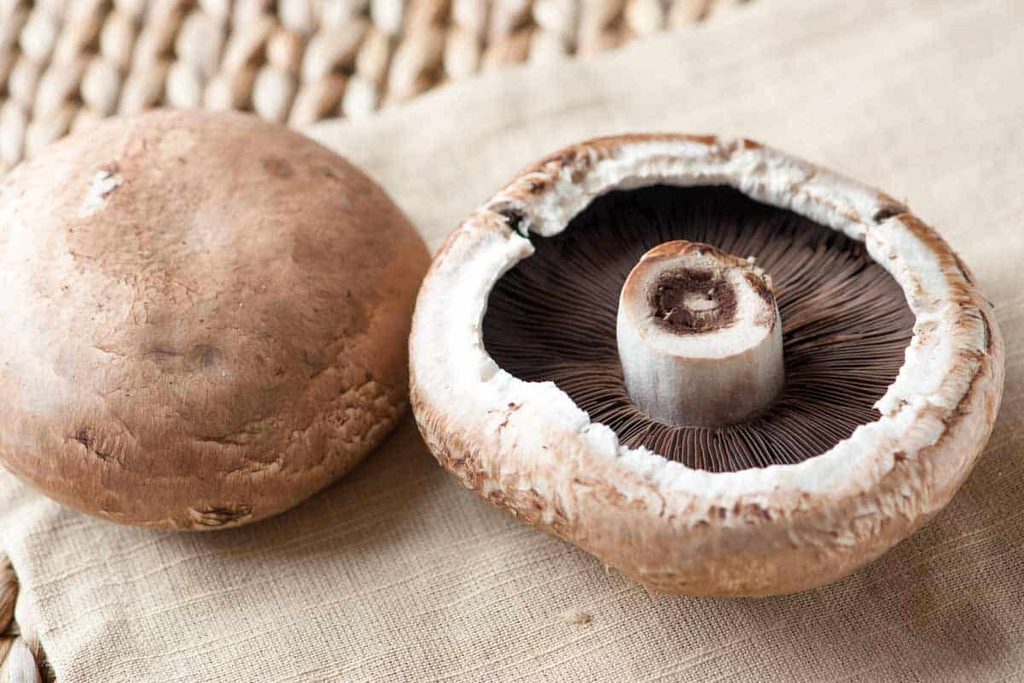
Portobellos are mature forms of the same common species. Their large brown caps and firm texture make them useful for grilled sandwiches, baked stuffed caps, and sliced fajitas.
Remove only the dry end of the stem. The dark gills are edible, but they can turn a pale sauce brown. Scrape them out with a spoon only when color matters. Brush the cap with oil before grilling so it stays tender without becoming greasy.
Shiitake mushrooms
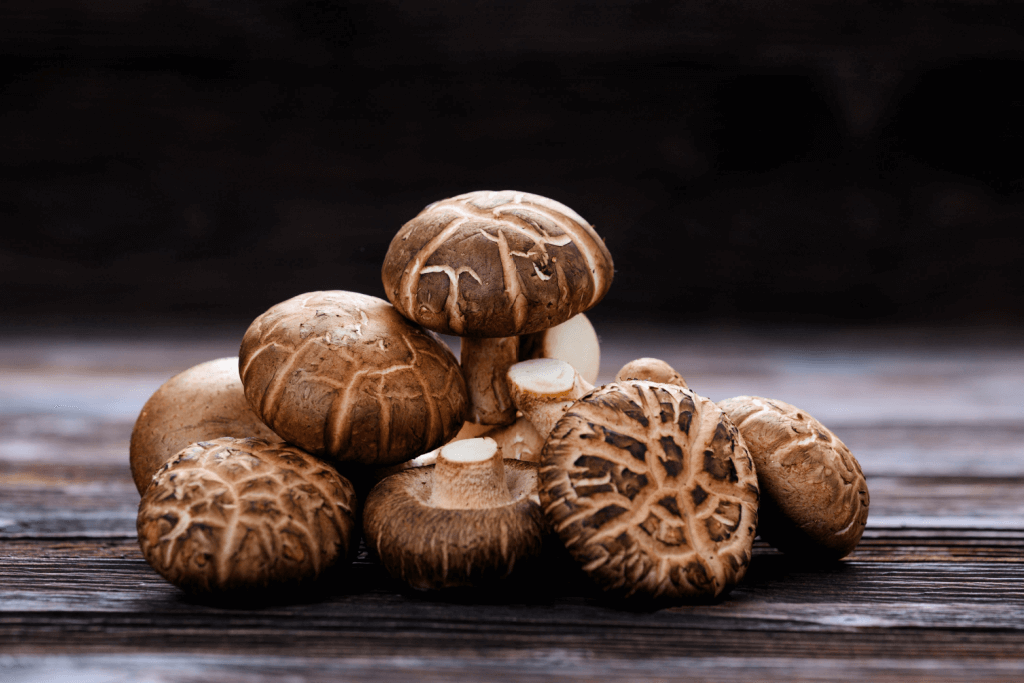
Shiitake mushrooms have a strong savory smell and a deep flavor. Fresh caps are good in fried rice, noodles, soup, dumplings, and stir-fries. Dried shiitake are useful for broth because their flavor becomes concentrated.
The stems are often too tough to chew. Cut them away, then save them for stock if they are clean and sound. Cook the caps until tender. If using dried pieces, soak them first and strain the soaking liquid before adding it to a recipe.
Oyster mushrooms
Oyster mushrooms grow in soft, layered clusters. Grocery stores may sell gray, blue-gray, yellow, or pink cultivated types. Their thin edges can turn crisp while the thicker center stays tender.
Tear the cluster into hand-sized pieces instead of cutting every part into tiny strips. Sear, roast, or air-fry them with a light coating of oil. They pair well with garlic, thyme, soy sauce, lemon, chile, and smoked paprika.
King oyster mushrooms
King oyster mushrooms have small caps and thick white stems. Unlike many mushrooms, the stem is the main attraction. It stays dense and develops a satisfying bite when seared.
Slice the stem into rounds and score the flat sides for “mushroom scallops.” It can also be cut lengthwise for grilling or pulled into strips for sandwiches. Brown it before adding wet sauce.
Maitake mushrooms
Maitake is also sold as hen of the woods. It forms a cluster of thin, ruffled fronds connected to a firm base. The many edges make it excellent for roasting.
Trim the dirty or woody part of the base and divide the rest into medium clusters. Roast at high heat or press pieces into a hot skillet. Add lemon, herbs, or a small amount of soy sauce after browning so the fronds do not become soggy.
Enoki mushrooms
Enoki mushrooms have long thin stems and small caps. Cultivated enoki are usually white because they are grown with limited light. Their mild taste works well in hot pot, broth, noodles, and quick stir-fries.
Cut off the compact root end and separate the stems. Rinse when needed, dry, and cook them thoroughly. FDA has investigated foodborne illness linked to imported enoki, so follow package directions, recall notices, safe refrigeration, and clean-kitchen practices.
Beech mushrooms
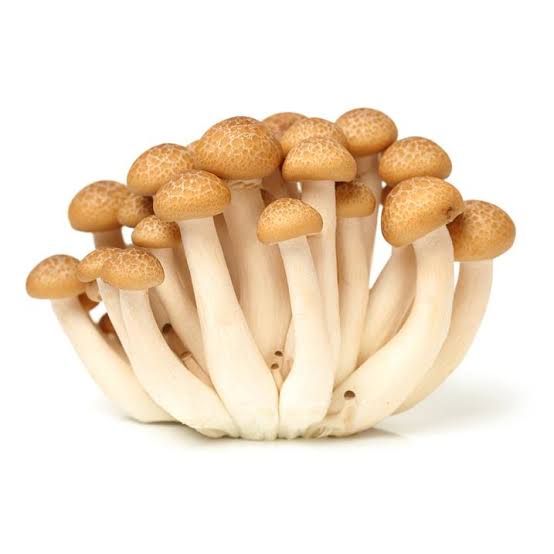
Beech mushrooms, also called shimeji, come in white or brown clusters. They have small caps, slender stems, and a lightly nutty taste after cooking.
Remove the shared base and separate the mushrooms. They can taste bitter when raw, so cook them. Their shape holds up well in soup, noodles, rice dishes, and vegetable stir-fries.
Lion’s mane mushrooms
Lion’s mane looks like a white shaggy ball rather than a normal cap and stem. Its fibers pull apart, and its mild flavor is often compared with seafood.
Slice it into thick slabs or tear it into chunks. Cook it first in a dry pan to release some water, then add oil or butter. It works well in tacos, sandwiches, “crab-style” cakes, and simple skillet dishes.
Morels and chanterelles
Morels and chanterelles are prized seasonal mushrooms. They are often sold by specialty markets or professional foragers and usually cost more than cultivated varieties.
Morels have a hollow interior and a honeycomb-like cap. Chanterelles have blunt ridges rather than sharp true gills. Both have dangerous look-alikes, so buy them from a trusted seller unless a qualified local expert has confirmed the species. Morels should be cooked thoroughly; the FDA notes that improper preparation may contribute to illness.
Choosing mushroom types for eating at the store
Start with the recipe. Mild mushrooms work well when other ingredients should stand out, while shiitake, maitake, and dried porcini add a stronger savory taste.
Check every package before buying. Good mushrooms should look fresh for their variety and should not have widespread slime, mold, leaking liquid, or a sour smell.
| Cooking goal | Good choices | Why they work |
|---|---|---|
| Low-cost everyday meals | White button, cremini | Easy to find and flexible |
| Grilling | Portobello, king oyster | Firm enough to hold their shape |
| Crisp edges | Oyster, maitake | Thin surfaces brown well |
| Strong broth | Shiitake, dried porcini | Deep savory flavor |
| Hot pot | Enoki, beech, shiitake | Small pieces cook quickly |
| Meat-like bite | Portobello, king oyster, lion’s mane | Dense or fibrous texture |
| Cream sauce | Cremini, morel, chanterelle | Rich flavor works with dairy |
| Mixed mushroom pasta | Cremini, oyster, shiitake | Different textures in one dish |
How to clean mushrooms
Start by trimming the dry or dirty base. Brush away loose material. A quick rinse is fine when the mushrooms are gritty, but do not leave them soaking in a bowl of water.
Dry them well before browning. Water on the surface cools the pan and creates steam. For clustered varieties, check between the folds for growing material or small bits of debris.
Do not wash mushrooms with soap. Clean the knife, board, hands, and work surface before and after preparation, especially when other raw foods are nearby.
How to cook mushrooms without making them soggy
Use a wide skillet or large sheet pan. Add only enough mushrooms to form a loose layer. If the pan is crowded, cook in two batches.
Let the first side sit against the heat before stirring. Once the released water has mostly cooked away and brown spots appear, add garlic, herbs, butter, or sauce. Garlic added too early may burn before the mushrooms brown.
Salt timing is flexible. A small amount added early can help draw out water, while final seasoning gives more control. The most important points are enough heat, enough pan space, and enough time.
Storage after shopping
Keep fresh mushrooms cold. Penn State Extension recommends refrigeration in the original container or a paper bag and notes a short storage period for best quality.
Avoid sealing damp mushrooms in an airtight container. Trapped moisture speeds up slime and spoilage. If a package contains a pad or film designed for fresh produce, leave it in the original pack until opening.
Cooked mushrooms should be cooled promptly and refrigerated in a covered food-safe container. Reheat leftovers until hot and discard food that has been left out too long or shows clear spoilage.
Grocery mushrooms versus wild mushrooms
Cultivated products from a reliable seller are the safest choice for beginners. A familiar grocery mushroom has a known supply chain and label, while a wild specimen may have a poisonous look-alike.
Color, smell, insects, animals, phone apps, and internet photographs cannot prove edibility. Poison Control warns that a wild mushroom should not be eaten unless a mushroom identification expert confirms it. Cooking, drying, or freezing does not make a poisonous species safe.
Keep unknown wild mushrooms away from food. If a person eats an unknown mushroom, do not wait for symptoms before seeking urgent professional help. Save an uncooked sample or clear photographs when this can be done safely.
Frequently asked questions
White button and cremini mushrooms are the easiest starting choices. They are affordable, mild, widely available, and useful in many recipes. Oyster mushrooms are a good next step when you want a tender texture and crisp edges.
They are forms of the same species, Agaricus bisporus. They differ in color, age, size, texture, and strength of flavor.
Portobello and king oyster have a firm bite. Lion’s mane has pull-apart fibers, while maitake and oyster can become crisp. None tastes exactly like meat, but each can fill a similar role in some dishes.
Do not assume so. Follow the label and cooking directions. Some mushrooms taste better cooked, some are difficult to digest raw, and specialty products such as enoki carry specific food-safety concerns.
Have the exact species confirmed by a qualified local expert who can examine the complete fresh specimen and knows regional look-alikes. A photo, app, or common name is not enough.