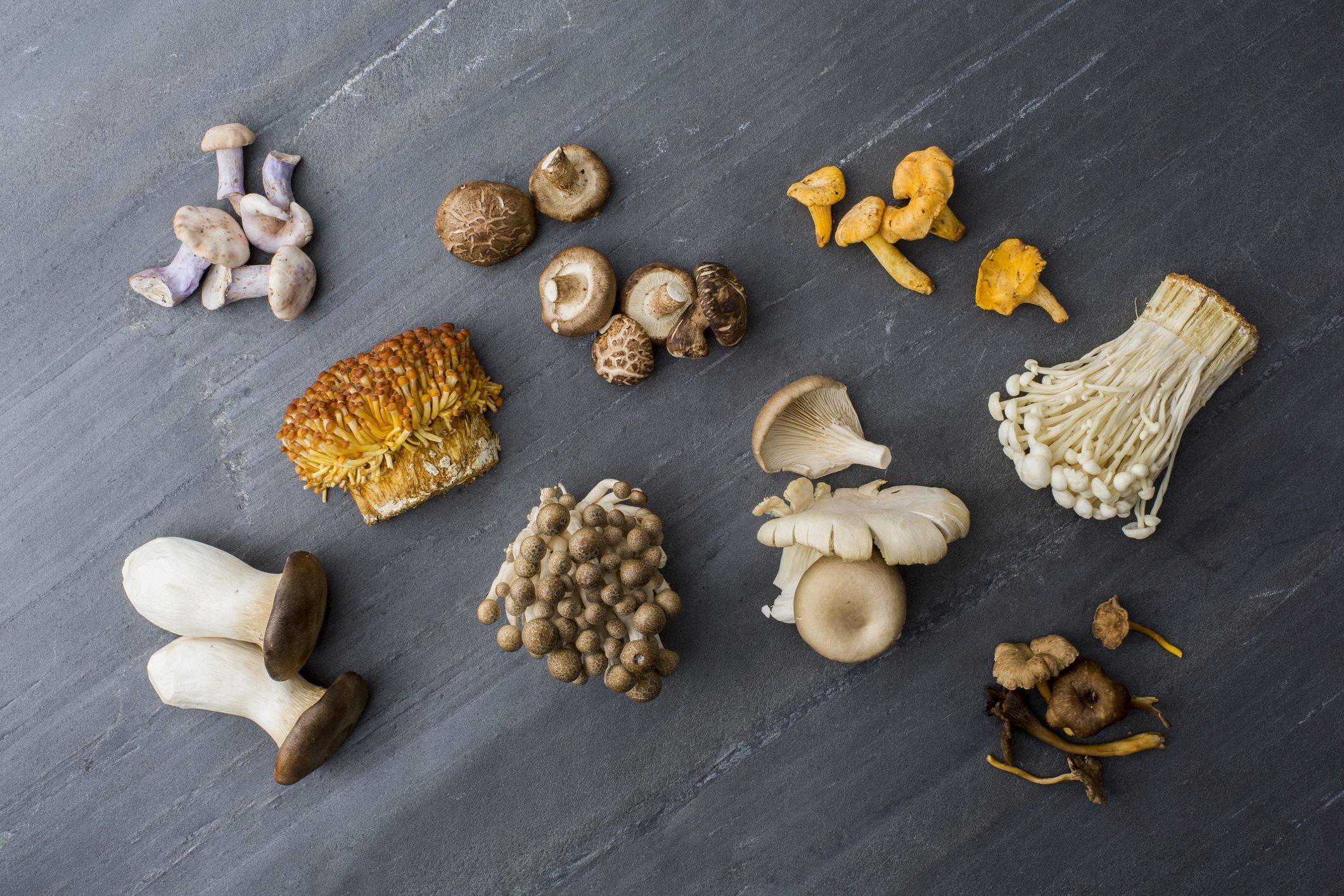

The mushroom section can be confusing because varieties that look similar may cook very differently. White button mushrooms are mild and soft. Shiitake is chewy and aromatic. Oyster mushrooms have tender layers, while king oyster has a thick, firm stem. Choosing the right type of mushrooms depends on the dish, texture, and cooking method you want.
This guide focuses on edible varieties commonly sold by U.S. grocery stores, farmers markets, and specialty shops. It is not a wild-mushroom identification guide.
| Variety | Flavor and texture | Best cooking uses |
|---|---|---|
| White button | Mild, tender | Pizza, eggs, soup, stuffing |
| Cremini | Earthy, firm | Sauté, roast, sauce, stew |
| Portabella | Broad, meaty | Grill, stuff, sandwich |
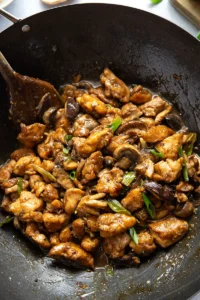
| Shiitake | Savory, aromatic, chewy | Stir-fry, noodles, broth |
| Oyster | Mild, delicate layers | Pan-fry, tacos, pasta |
| King oyster | Dense stem, firm bite | Sear, grill, skewers |
| Maitake | Woodsy, frilly, crisp edges | Roast, sauté, rice bowls |
| Enoki | Mild, thin, slightly crisp | Hot pot, soup, foil packs |
| Shimeji/beech | Nutty, springy | Stir-fry, hot pot, noodles |
| Lion’s mane | Mild, fibrous | Thick slices, cakes, sandwiches |
| Chanterelle | Delicate, lightly fruity | Butter sauté, eggs, cream sauce |
| Porcini | Deep and woodsy | Risotto, broth, pasta sauce |
White button, cremini, and portabella
These familiar mushrooms are forms of the cultivated species Agaricus bisporus. White buttons are usually the mildest. Cremini—often labeled baby bella—has a brown cap and a slightly deeper taste. Portabella is the large mature form commonly used for grilling or stuffing.
Choose white button for recipes where the mushroom should blend into the background. Choose cremini for a stronger everyday flavor. Portabella is useful when size and structure matter, such as a sandwich or stuffed cap.
This group is a practical answer when someone asks what type of mushrooms to buy for a low-cost family meal.
Shiitake
Shiitake has a brown umbrella-shaped cap and a strong savory aroma. Fresh caps become chewy and juicy when sautéed or simmered. The stems are often too fibrous for the finished dish, but clean stems can flavor stock.
Dried shiitake has a more concentrated taste. Soak it until completely soft, then strain the soaking liquid through a fine filter before adding some to soup or sauce. Use shiitake in ramen, fried rice, dumplings, stir-fries, and hot pot.
Oyster and king oyster
Regular oyster mushrooms grow in layered clusters with fan-shaped caps. Tear them rather than cutting every piece into straight slices. Their thin edges crisp quickly in a hot skillet.
King oyster, also called king trumpet, has a very thick stem and a small cap. The stem can be cut into coins, cubes, or long planks. It stays firm after cooking and works well on skewers or in seared “scallop-style” pieces.
Although their names are related, these mushrooms need different preparation. Oyster is delicate; king oyster is dense.
Maitake
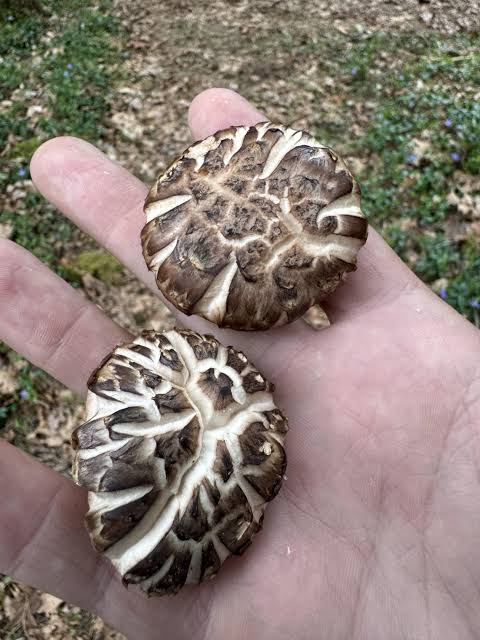
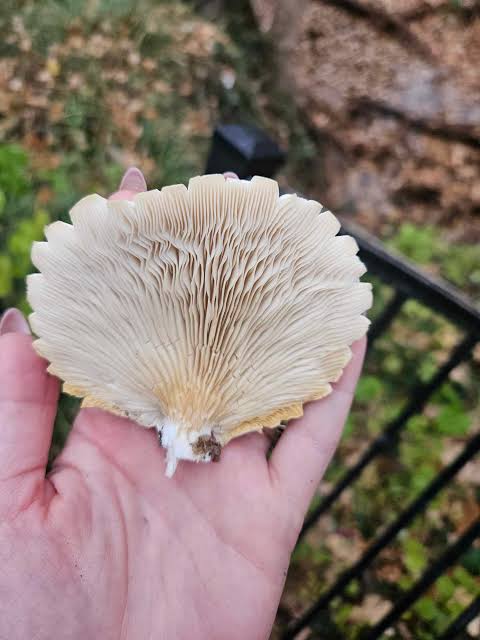
Maitake, also called hen of the woods, forms a cluster of thin, wavy fronds. Break it into medium pieces and roast or sauté it until the edges become crisp. It has a woodsy flavor that works well with butter, thyme, miso, rice, or roasted vegetables.
Do not confuse the common name with chicken of the woods, which is a different wild mushroom. Grocery labels should state the product clearly.
Enoki and shimeji
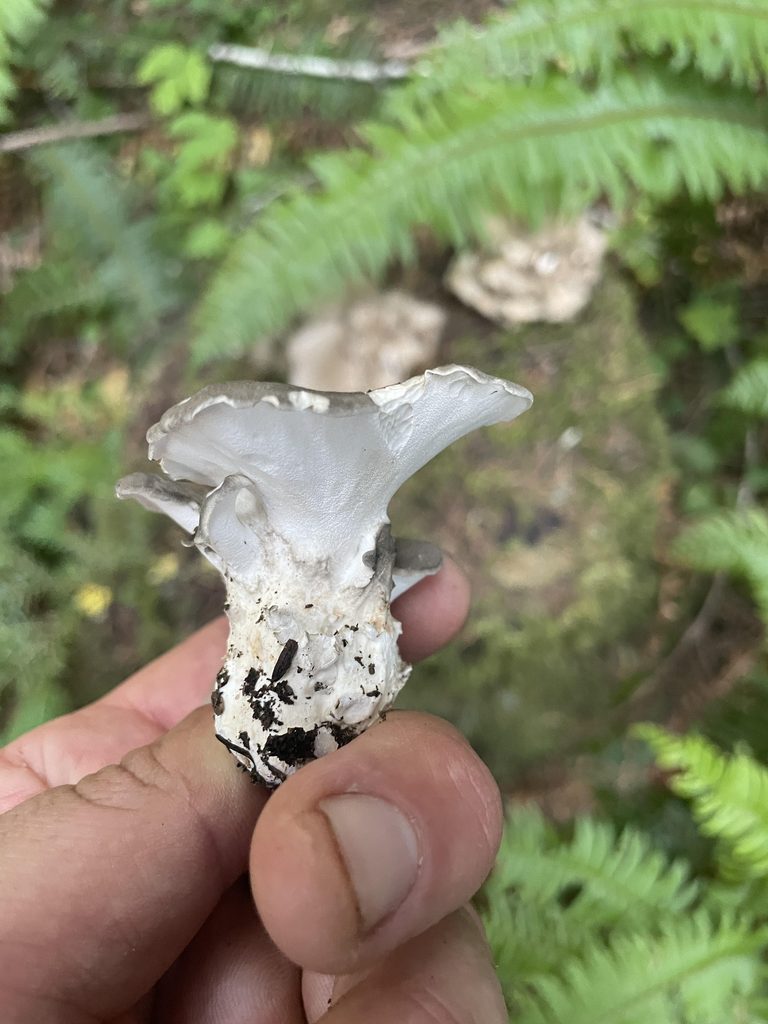
Cultivated enoki has long thin stems and tiny caps. Trim the compact root block, separate the stems into small bundles, and cook them thoroughly according to package guidance. Enoki is popular in hot pot and soup because it cooks quickly.
Shimeji or beech mushrooms have small caps and springy stems. Cut off the shared base and separate the cluster. They hold their shape better than enoki and work in stir-fries, noodles, and broth.
For hot pot, these two provide contrasting textures without taking much table space.
Lion’s mane
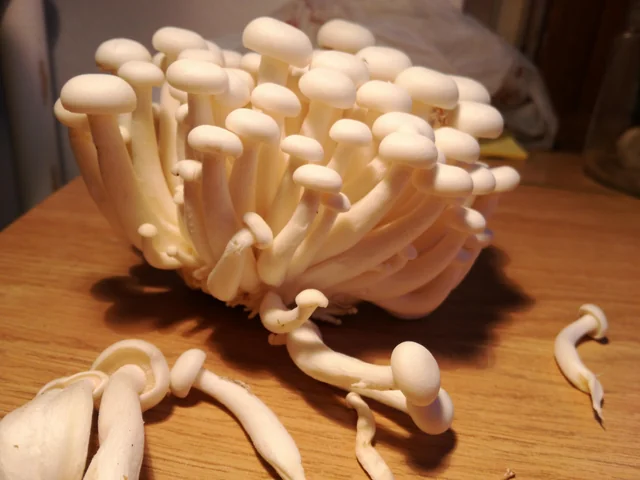
Lion’s mane has a white, shaggy appearance and a fibrous texture. Cut it into thick slices or tear it into chunks. Some cooks press the pieces in a skillet to remove moisture and create an even brown surface.
Its mild taste works with butter, garlic, lemon, Old Bay-style seasoning, or a light cream sauce. Handle it gently because the soft teeth can crush in a crowded grocery bag.
Chanterelle
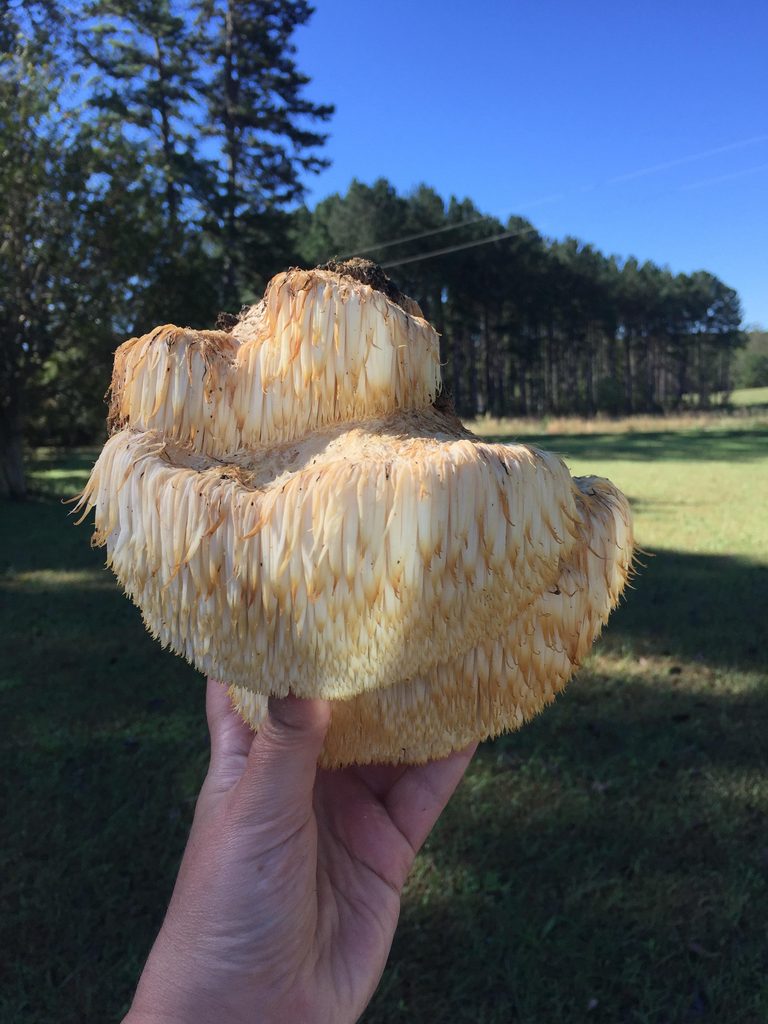
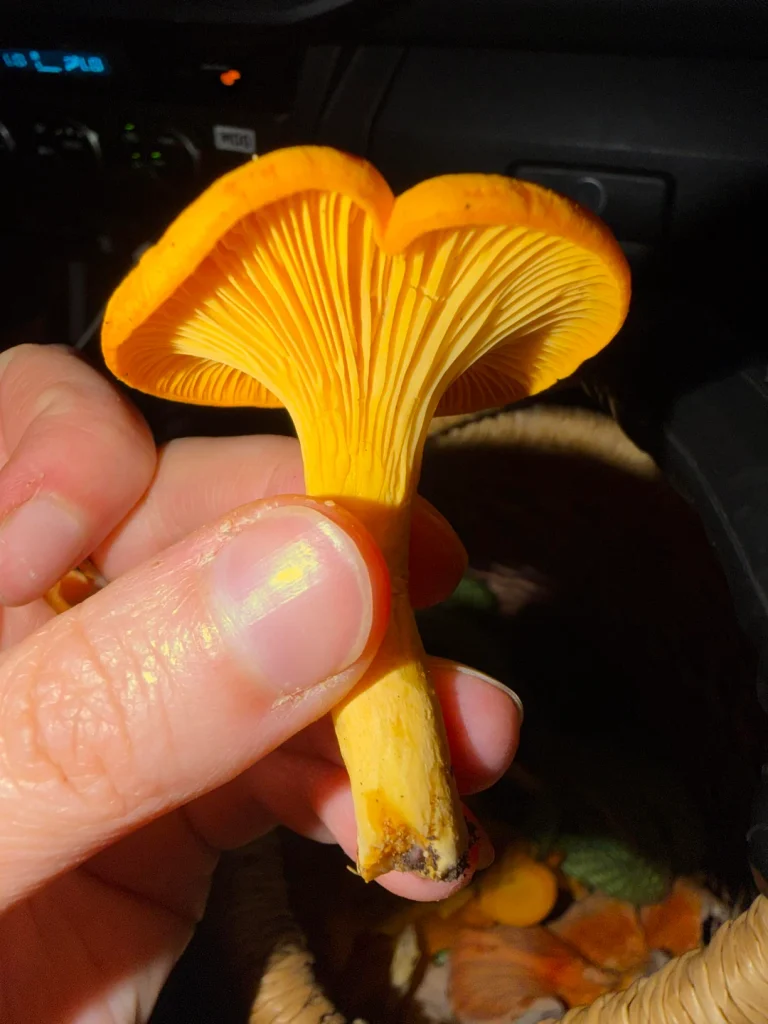
Chanterelles are yellow to orange mushrooms with a delicate aroma and firm texture. They are often expensive and may be sold seasonally. Use gentle seasoning so their flavor remains noticeable.
Brush away debris and rinse briefly only if necessary. Sauté with butter and shallot, then serve with eggs, pasta, chicken, or cream sauce. Wild chanterelles require confident expert identification because look-alikes exist.
Porcini
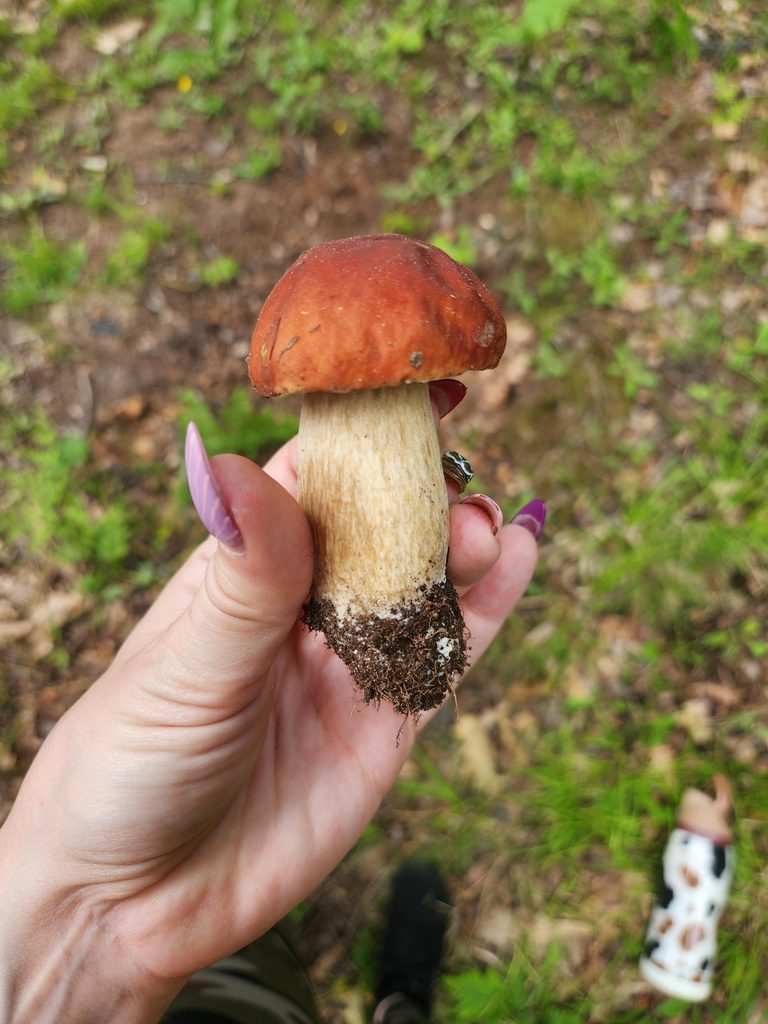
Fresh porcini is seasonal and less common in everyday U.S. stores, but dried porcini is widely available. A small amount gives broth, risotto, gravy, and pasta sauce a deep woodsy taste.
Soak dried pieces in hot water until soft. Lift them out, chop as needed, and filter the soaking liquid to remove grit. Porcini is strong, so combine it with mild cremini or button mushrooms when serving a crowd.
Choose the right mushroom for the dish
| Dish | Useful varieties | Why they work |
|---|---|---|
| Pizza | Button, cremini, shiitake | Slices cook quickly and spread evenly |
| Hot pot | Shiitake, enoki, shimeji, king oyster | Different cooking times and textures |
| Grilling | Portabella, king oyster | Firm pieces stay intact |
| Creamy pasta | Cremini, shiitake, oyster | Strong flavor balances the sauce |
| Clear soup | Shiitake, shimeji, enoki | Adds aroma without heavy browning |
| Crispy side | Maitake, oyster | Thin edges brown well |
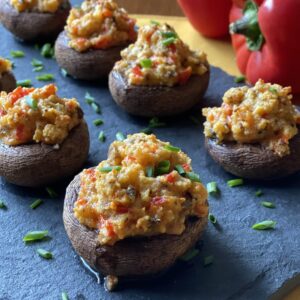
| Stuffed caps | Large button or portabella | Broad caps hold filling |
| Risotto | Cremini, porcini | Earthy flavor and savory broth |
If a recipe names a variety you cannot find, match texture before color. Replace cremini with white button for a milder result, shiitake with cremini for less aroma, or maitake with oyster when crisp edges matter.
Wild mushroom safety
Common names, colors, photos, and apps cannot prove that a wild mushroom is edible. Never eat a wild specimen based only on this table. Use a qualified local expert who can examine the complete mushroom and its habitat.
Cooking does not make every poisonous mushroom safe. For everyday meals, cultivated varieties from reputable sellers are the simplest choice.
Frequently asked questions
White button is the familiar everyday choice. Cremini and portabella are closely related forms of the same cultivated species.
Portabella and king oyster are firm and substantial. Shiitake also has a chewy cap with strong flavor.
Cremini is easy to find, affordable, and suitable for sautéing, roasting, soup, pasta, and eggs.
Thin enoki stems and delicate oyster pieces cook quickly. Dense king oyster and thick portabella pieces need more time.
Yes. Cut dense varieties smaller and delicate ones larger, then add them to the pan or broth in stages.