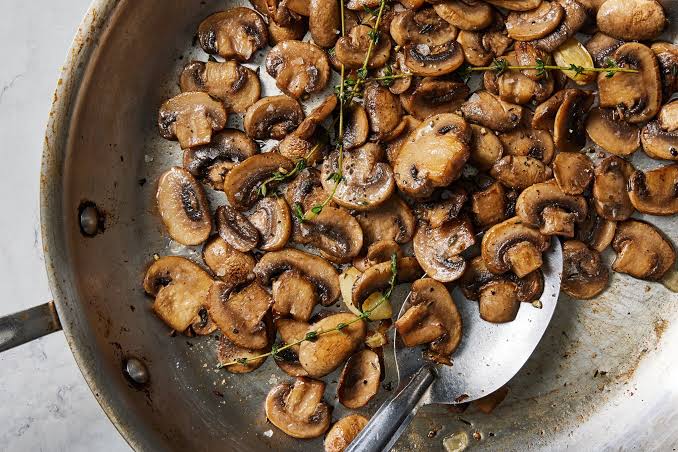

This sautéed mushrooms recipe produces deeply browned edges, a tender center, and a glossy garlic-butter finish. The key is a wide hot skillet, dry mushrooms, enough pan space, and patience before stirring. It works with white button, cremini, shiitake caps, oyster mushrooms, or a cultivated mix.
Serve the mushrooms beside steak, chicken, tofu, eggs, or mashed potatoes, or use them in pasta, grain bowls, toast, pizza, and sandwiches.
| Detail | Amount |
|---|---|
| Yield | About 4 side-dish servings |
| Prep time | 10 minutes |
| Cook time | 12–18 minutes |
| Pan | 12-inch skillet |
| Best mushroom cut | Thick slices, halves, or quarters |
| Make-ahead | Best fresh; leftovers reheat well |
Ingredients for this sautéed mushrooms recipe
- 1 pound cremini or white button mushrooms
- 1 tablespoon olive oil
- 1 tablespoon unsalted butter, divided if desired
- 1 small shallot, finely chopped, optional
- 2 garlic cloves, finely chopped or grated
- ½ teaspoon kosher salt, plus more to taste
- ¼ teaspoon freshly ground black pepper
- 1 teaspoon fresh thyme leaves or ½ teaspoon dried thyme
- 1 teaspoon lemon juice
- 1 tablespoon chopped parsley
- Optional: 1 teaspoon soy sauce or Worcestershire-style sauce
Instructions
- Clean the mushrooms. Brush away visible material or rinse quickly. Dry thoroughly.
- Cut evenly. Slice large caps ¼ to ½ inch thick. Halve or quarter smaller mushrooms.
- Heat the skillet. Place a wide skillet over medium-high heat for one to two minutes.
- Add oil and mushrooms. Swirl in the oil, then spread mushrooms in one layer. Work in two batches if the pan is crowded.
- Leave them undisturbed. Cook the first side for three to five minutes, until it develops color.
- Stir and continue cooking. The mushrooms may release water. Keep cooking until the liquid evaporates and new browning begins.
- Add aromatics. Lower heat slightly. Add shallot, butter, thyme, salt, and pepper. Cook two minutes.
- Add garlic near the end. Stir in garlic and cook 30 to 60 seconds, just until fragrant.
- Finish. Remove from heat and add lemon juice, parsley, and optional soy or Worcestershire-style sauce. Taste and adjust seasoning.
Why this method works
Mushrooms contain considerable water. A hot wide pan lets that moisture escape. If the pan is crowded, the temperature falls and the pieces steam.
Leaving the first side untouched creates better contact with the hot surface. Oil handles the initial high heat; butter added later brings flavor without burning early. Garlic also goes in near the end because small pieces scorch quickly.
Best mushroom choices
Cremini
Cremini have a slightly deeper flavor than white buttons and remain easy to find. Quarter small caps for a meaty texture.
White button
Buttons are mild and economical. They absorb the garlic, butter, herbs, and finishing sauce well.
Shiitake
Remove the tough stems and slice the caps. Mix shiitake with buttons when you want more aroma without making the recipe expensive.
Oyster
Tear into medium strips. Cook in a single layer and avoid aggressive stirring so the delicate caps retain shape.
Maitake
Break the cluster into large fronds. The thin edges can become crisp while the center stays tender.
Dry-pan variation
For mushrooms that release abundant water, begin in a dry skillet over medium-high heat. Cook until they give off liquid and it largely evaporates. Then add oil or butter and continue until brown.
This method can create a concentrated texture, but it still requires a roomy pan. Watch closely so the dry skillet does not scorch delicate pieces.
Garlic Parmesan variation
Follow the main recipe, then remove the pan from heat and add two tablespoons of finely grated Parmesan. Reduce the initial salt because the cheese adds saltiness. Finish with parsley and lemon zest.
Creamy variation
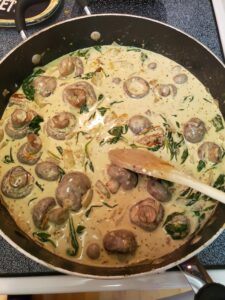
After browning the mushrooms, add shallot and garlic. Pour in ⅓ cup broth and scrape the browned bits from the pan. Add ½ cup heavy cream and simmer until lightly thickened. Finish with black pepper and thyme.
Serve the sauce over pasta, chicken, pork, polenta, or toast. If using pasta, loosen it with reserved pasta water.
Vegan variation
Use olive oil or plant-based butter. Finish with soy sauce, lemon, parsley, and nutritional yeast if desired. Check product labels when cooking for dietary restrictions.
Wine variation
After browning, add a small splash of dry white wine and let it reduce almost completely. Then add butter, garlic, and herbs. Do not pour a large amount into the pan, or the mushrooms will simmer.
Serving ideas
- Spoon over grilled steak or chicken
- Add to an omelet or scrambled eggs
- Mix with pasta and Parmesan
- Serve over creamy polenta
- Top avocado or ricotta toast
- Add to baked potatoes
- Fold into quesadillas
- Use in a warm grain bowl
- Add to pizza after draining excess liquid
Troubleshooting
The mushrooms are gray and watery
The skillet may be crowded or not hot enough. Continue cooking until the water evaporates, then let the pieces brown. Use two batches next time.
The garlic tastes bitter
It likely burned. Add it in the final minute and lower the heat before it enters the pan.
The mushrooms absorbed all the oil
They can absorb oil early and release some as they cook. Start with a measured amount and add only a little more if the pan is truly dry.
They are salty
Soy sauce, cheese, and salted butter all add salt. Season in stages and taste after the finishing ingredients.
They shrank too much
Shrinkage is normal because water cooks away. Use halves or quarters instead of thin slices for a larger final bite.
Make-ahead and storage
Cooked mushrooms are best straight from the skillet. For meal prep, cool them promptly and refrigerate in a covered shallow container for about three to four days.
Reheat in a skillet over medium-high heat to evaporate storage moisture. A microwave works but will not restore the same browned edges. Freeze cooled sautéed mushrooms in small portions for soup, sauce, and casserole use.
How to double the sautéed mushrooms recipe
Use two skillets or cook two separate batches. Adding two pounds to one pan creates a deep layer, cools the metal, and traps steam. Brown each batch with oil, transfer it to a plate, and combine everything only when adding butter, garlic, and herbs.
For a dinner party, complete the browning earlier in the day and refrigerate promptly. Reheat the mushrooms in a hot skillet, then add the fresh finishing ingredients. This method produces better color than holding the finished dish warm for a long period.
Turning the side dish into dinner
Add drained white beans and spinach for a plant-forward skillet, or toss the mushrooms with pasta and a little cooking water. Serve over polenta with a fried egg, fold into rice with peas, or spoon onto a baked potato with yogurt and chives.
The recipe yields a modest side because mushrooms shrink. For four generous main-dish portions, combine them with a substantial base rather than simply increasing butter.
Frequently asked questions
They can be. For beginners focused on browning, adding most salt after the first color develops makes moisture easier to observe.
Yes, but drain and dry them well. Their texture and flavor differ from fresh mushrooms, and they need less cooking.
Medium-high is a good starting point. Adjust if butter, garlic, or small pieces begin to burn.
A 12-inch skillet can usually handle about one pound when pieces sit mostly in one layer. Very watery or thickly cut mushrooms may need two batches.
Strong browning, controlled moisture, butter added at the right time, balanced salt, and a final touch of acid make the largest difference.