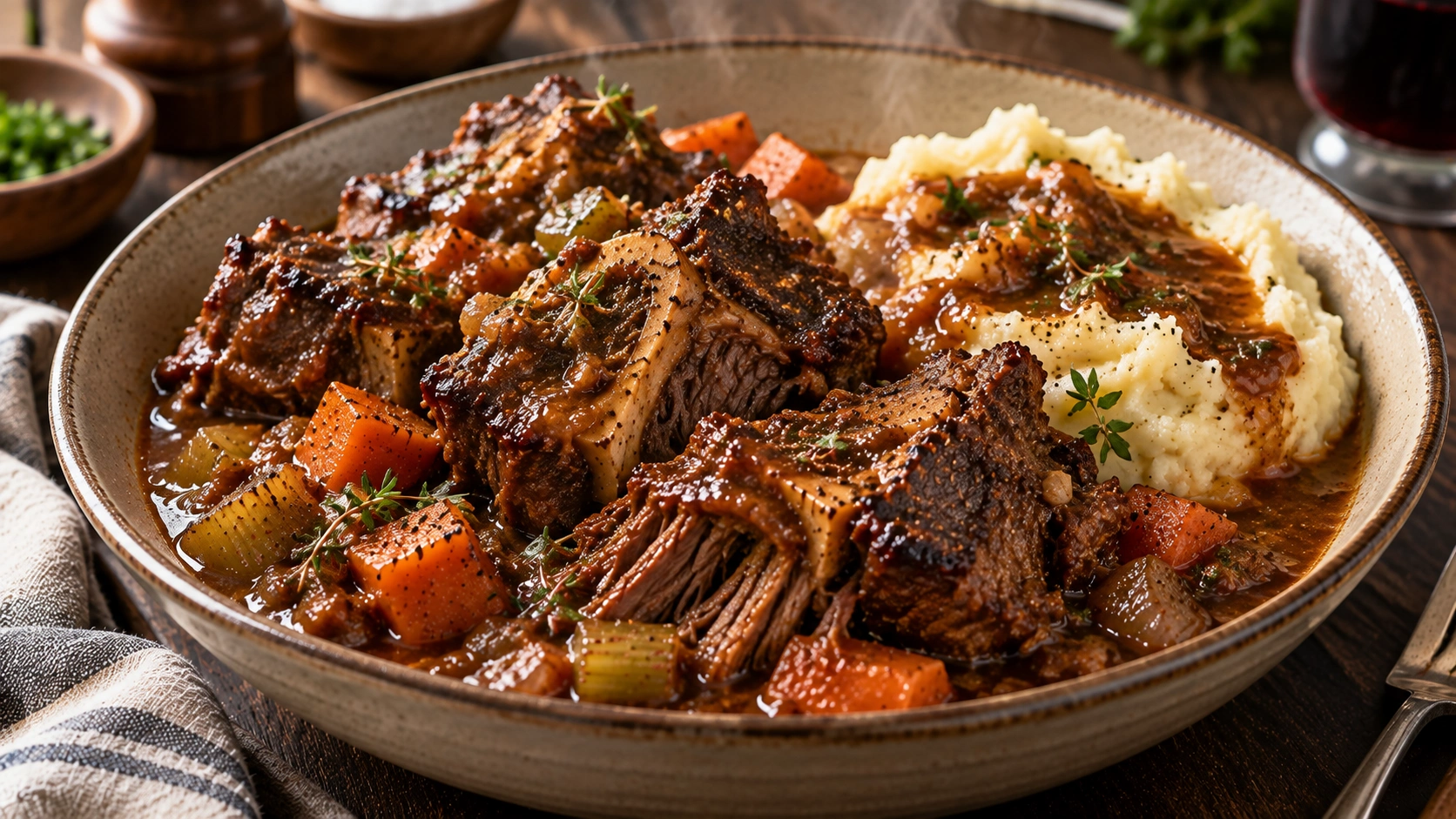
Some of the best comfort-food meals start with cuts that don’t look particularly impressive at the butcher counter.
This beef neck bones recipe is a perfect example. The bones are meaty, full of connective tissue, and need time—but when they are slowly braised, the meat becomes incredibly tender and the cooking liquid turns into a rich, savory gravy.
The technique is simple: season the beef, brown it well, build a flavorful base, then let everything cook slowly until the meat is tender enough to pull away from the bone.
It’s the kind of meal that makes sense for a relaxed Sunday dinner, especially when served with mashed potatoes, rice, or cornbread.
Quick Recipe Overview
| Detail | Information |
|---|---|
| Prep Time | 20 minutes |
| Cook Time | 3–3½ hours |
| Total Time | About 3 hours 20 minutes |
| Servings | 6 |
| Course | Main Course |
| Cuisine | American / Southern-inspired |
| Cooking Method | Oven braise |
| Best Served With | Mashed potatoes, rice, or cornbread |
What Are Beef Neck Bones?
A beef neck bones recipe uses meaty pieces of beef taken from around the neck area.
Unlike lean steaks, neck bones contain plenty of connective tissue and collagen. That makes them particularly well suited to slow cooking.
They start out relatively tough, but several hours of gentle cooking can turn that connective tissue into a rich, silky texture.
The important thing when shopping is to look for meaty bones. Some packages can contain considerably more bone than meat, so choosing carefully makes a big difference.
Why You’ll Love This Recipe
This beef neck bones recipe is built around simple ingredients and a cooking method that does most of the work for you.
- The beef becomes exceptionally tender.
- Browning creates a deeper flavor before braising.
- Vegetables add sweetness and savory depth.
- The cooking liquid turns into a rich gravy.
- It’s excellent with inexpensive pantry-friendly sides.
- Most of the cooking time is hands-off.
It’s also a great example of how an affordable cut can become a seriously satisfying dinner when cooked properly.
What Do Beef Neck Bones Taste Like?
The flavor is deeply beefy, savory, and rich.
The meat itself has more character than a very lean cut because of the connective tissue and fat surrounding the bones.
The braising liquid adds another layer of flavor from onions, garlic, carrots, celery, tomato paste, beef broth, and red wine.
The finished dish isn’t supposed to taste heavy or greasy. A good braise should have a concentrated beef flavor with a silky gravy and tender meat.
Why This Recipe Works
The most important part of this beef neck bones recipe is the low-and-slow cooking.
Several of the recipes you provided use the same fundamental technique: brown the neck bones first, develop flavor in the same pot, add a flavorful liquid, then cook gently until tender.
That method makes sense for this cut.
Searing gives the beef a browned exterior and leaves flavorful bits on the bottom of the Dutch oven.
Then the vegetables, tomato paste, and liquid loosen those browned bits and turn them into the base of the sauce.
Finally, the long braise gives the connective tissue enough time to soften.
Ingredients You’ll Need
You don’t need a long ingredient list to make this work.
For the Beef
- 3–4 pounds meaty beef neck bones
- Kosher salt, to taste
- Black pepper, to taste
- 1 tablespoon neutral oil or olive oil
Choose neck bones with plenty of visible meat. This is one of the most useful shopping tips from the recipes you supplied.
For the Braising Base
- 1 medium yellow onion, diced
- 2 medium carrots, diced
- 2 celery ribs, diced
- 3 garlic cloves, minced
- 2 tablespoons tomato paste
- 1 teaspoon dried thyme
- 1 teaspoon smoked paprika
- 1 bay leaf
For the Liquid
- 1½ cups low-sodium beef broth
- 1 cup dry red wine
The red wine is optional. If you prefer not to cook with wine, simply replace it with additional beef broth.
The competitor recipes use slightly different ratios of stock and wine, but the same general idea appears repeatedly: an acidic, flavorful braising liquid helps build depth while the beef cooks.
Choosing the Best Neck Bones
For the best beef neck bones recipe, don’t judge the package by weight alone.
Look closely at the pieces. You want bones with a noticeable amount of beef attached.
If you’re shopping at a butcher counter, ask specifically for meaty beef neck bones for braising.
They can also be found at many regular grocery stores and specialty markets. Stay Snatched notes that specialty and international markets can also be useful places to look.
Can You Make It Without Red Wine?
Yes.
Red wine adds acidity and depth, but it isn’t essential.
For a completely alcohol-free version, use beef broth in its place.
You can also add a small splash of Worcestershire sauce for extra savory depth.
Easy Ingredient Swaps
- Red wine: Replace with beef broth.
- Yellow onion: White or sweet onion works.
- Carrots: Parsnips are a good alternative.
- Dried thyme: Use fresh thyme if available.
- Smoked paprika: Regular paprika gives a milder flavor.
- Beef broth: Use unsalted or low-sodium stock when possible.
Equipment You’ll Need
A large Dutch oven with a tight-fitting lid is the best choice.
You’ll also need tongs, a wooden spoon, a chef’s knife, cutting board, and measuring cups.
A heavy pot matters because it holds heat well and can go directly from stovetop to oven.
Food Fidelity also emphasizes using a heavy lid to keep moisture inside during the long braise.
Before You Start
Pat the neck bones dry before seasoning them.
Don’t skip the browning step. It takes a little extra time, but it gives the finished dish much more depth.
Also, don’t worry if the beef isn’t tender at the exact time you expected. Neck bones can vary in size and meatiness, so tenderness matters more than the clock.
How to Make Beef Neck Bones Recipe
The cooking process is straightforward. The main thing is to give the beef enough time to become tender instead of trying to speed it up with higher heat.
Step 1: Season and Sear the Beef
Preheat your oven to 325°F.
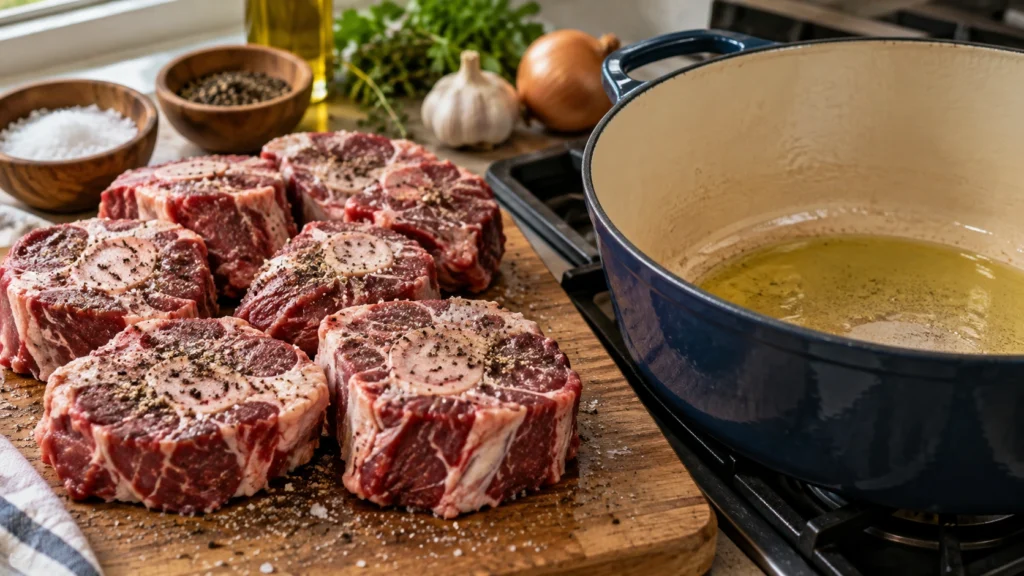
Pat the neck bones dry, then season all sides generously with kosher salt and black pepper.
Heat the oil in a large Dutch oven over medium-high heat. Add the neck bones in batches and sear them for about 3–4 minutes per side.
You want a deep brown crust, not just a little color.
Transfer the browned beef to a plate.
Step 2: Cook the Aromatics
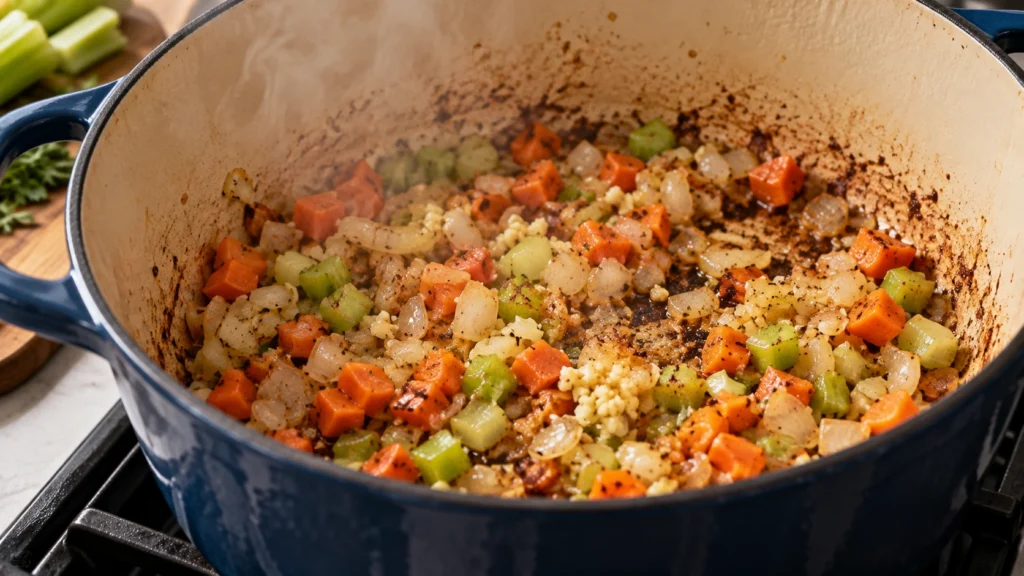
Add the onion, carrots, and celery to the same Dutch oven.
Cook for about 4–5 minutes, stirring occasionally, until the onion begins to soften.
Add the garlic and cook for another 30 seconds.
Keep the heat moderate so the garlic doesn’t burn.
Step 3: Add the Tomato Paste and Spices
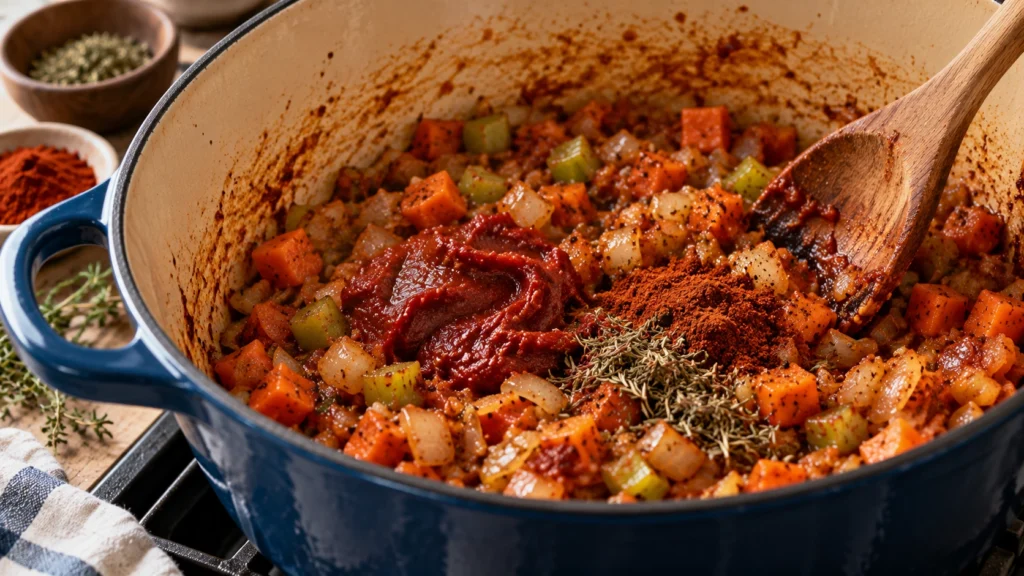
Stir in the tomato paste, smoked paprika, and dried thyme.
Cook for about 1–2 minutes.
The tomato paste should become slightly darker and smell richer. This quick step helps develop the base of the gravy.
Step 4: Deglaze the Pot
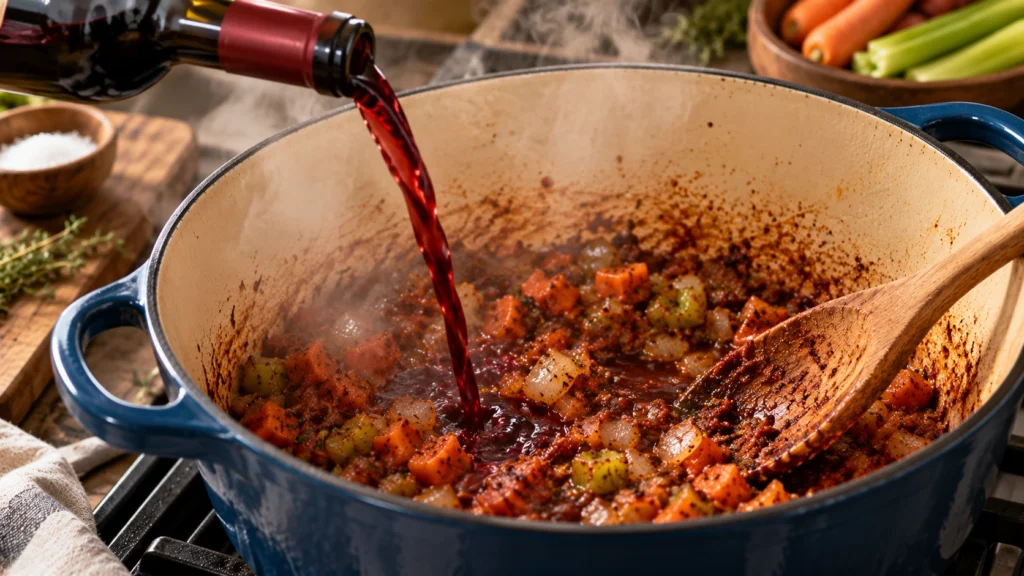
Pour in the red wine.
Use a wooden spoon to scrape the browned bits from the bottom of the Dutch oven.
Let the wine simmer for 2–3 minutes.
This is an important flavor-building step because those browned bits are concentrated with flavor from the seared beef.
Step 5: Add the Broth and Beef
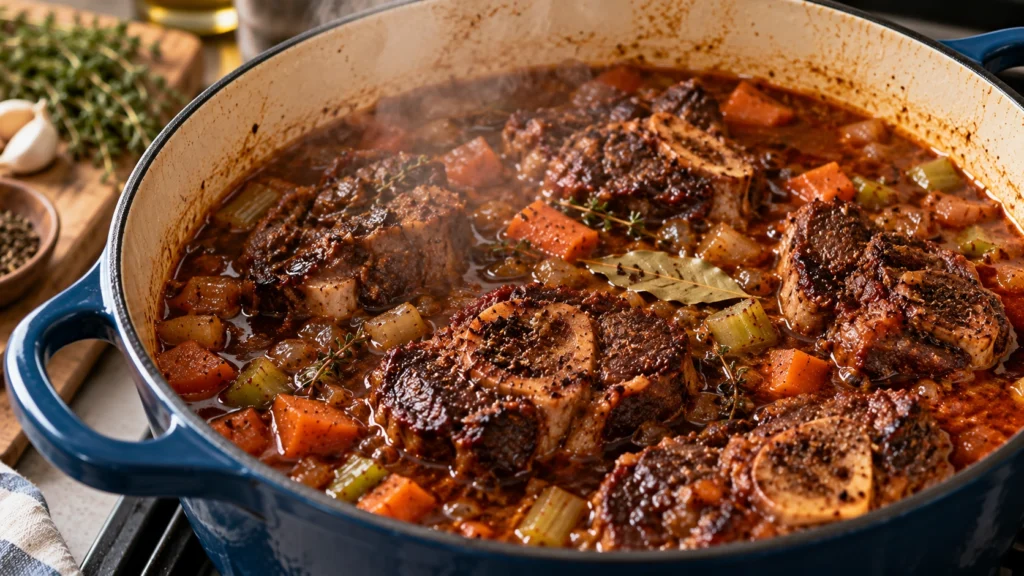
Pour in the beef broth and add the bay leaf.
Return the browned neck bones to the Dutch oven.
The liquid should come partway up the sides of the beef. You don’t necessarily need every piece completely submerged.
Bring the liquid to a gentle simmer on the stovetop.
Step 6: Braise Until Tender
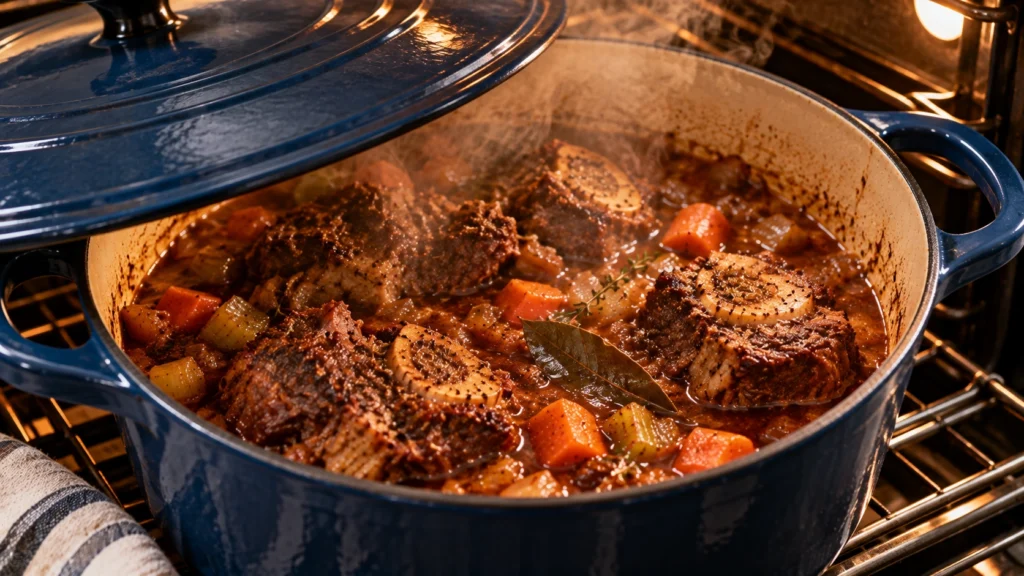
Cover the Dutch oven tightly and transfer it to the oven.
Cook for approximately 2½–3½ hours.
Check the beef toward the three-hour mark. It should be very tender and pull away from the bone easily.
If it is still tough, cover the pot again and continue cooking. The recipes you supplied range from roughly 2–4 hours depending on the method and desired tenderness.
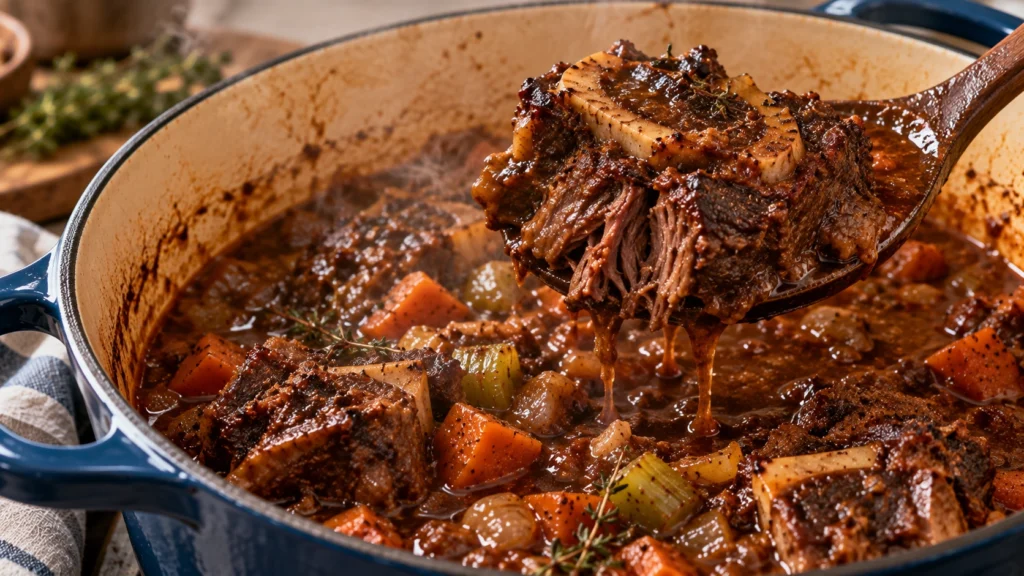
Step 7: Finish the Gravy
Remove the tender neck bones from the Dutch oven and set them aside.
Discard the bay leaf.
If the gravy is thinner than you’d like, simmer the liquid uncovered on the stovetop for several minutes until it thickens slightly.
Taste and adjust the salt and pepper.
You can leave the vegetables in the gravy for a rustic finish or strain them out for a smoother sauce.
Step 8: Serve
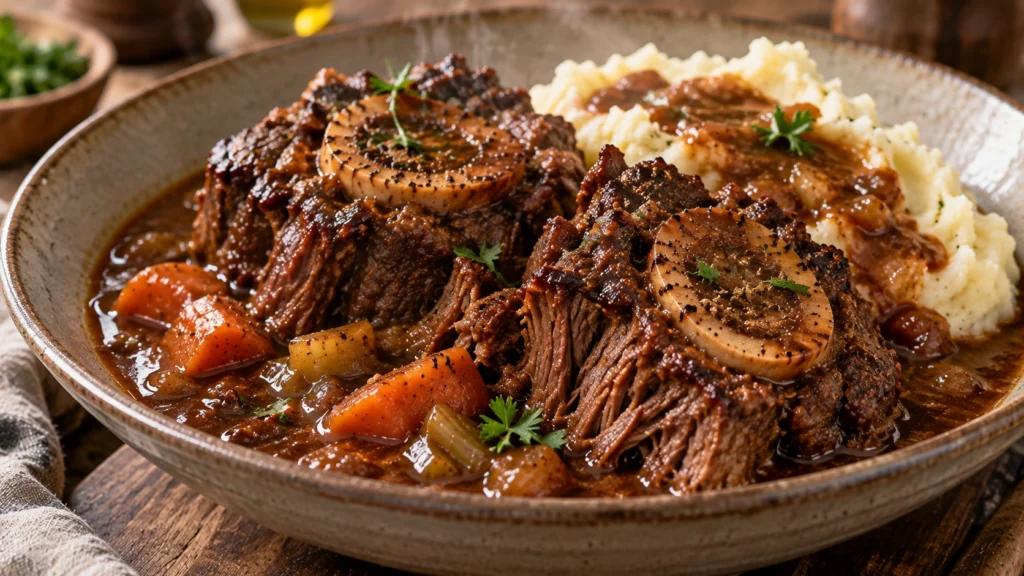
Return the beef to the gravy or spoon the gravy directly over the meat.
Serve hot with mashed potatoes, rice, buttered noodles, creamy grits, or cornbread.
The goal is to have enough gravy on the plate that your side dish can soak it up.
What to Serve With It
A hearty braise works best with sides that can handle the rich gravy.
Mashed potatoes are probably the easiest choice.
For a Southern-inspired plate, serve the beef with collard greens and cornbread.
Rice, creamy grits, buttered noodles, green beans, or roasted vegetables are also excellent options. The recipes you provided commonly pair neck bones with mashed potatoes, rice, grits, cornbread, and greens.
Expert Tips for Better Results
For the best beef neck bones recipe, keep these few things in mind:
Choose meaty bones. The amount of meat can vary considerably between packages.
Sear in batches. Crowding the pot traps moisture and prevents proper browning.
Scrape the pot. Those browned bits are part of the flavor.
Keep the lid tight. A good seal prevents the braising liquid from disappearing too quickly.
Don’t rush the final stage. If the meat is still chewy, it needs more time.
Taste at the end. Broth and wine reduce during cooking, so seasoning can change as the gravy concentrates.
Common Mistakes
Cooking the Beef Too Quickly
High heat won’t give you tender neck bones faster. The connective tissue needs time to break down.
Using Barely Meaty Bones
This is one of the easiest mistakes to make before you even start cooking.
Choose packages where the bones have plenty of beef attached.
Skipping the Sear
You can technically braise without searing, but you’ll lose some of the deep roasted flavor that makes a good braise special.
Letting the Pot Dry Out
Check the liquid during cooking if your pot or lid doesn’t hold moisture well.
Add a little extra broth if necessary.
Over-Reducing the Gravy
The gravy will continue to thicken as it cools. Stop reducing when it looks rich and coats the back of a spoon.
Easy Variations
If you want to change the flavor, there are several directions you can take.
Southern-Style
Add Creole or Cajun seasoning and serve with collard greens and cornbread. Stay Snatched uses smoked paprika and Creole seasoning for its Southern-style version.
Mushroom Version
Add sliced mushrooms after searing the beef and cook them until browned.
The mushroom variation is particularly natural because mushrooms work beautifully with the beefy braising liquid. A version from TASTE uses white button mushrooms, rosemary, flour, stock, and tomato paste.
Spicy Version
Add cayenne pepper, red pepper flakes, or a few dashes of hot sauce.
Extra-Herby Version
Use fresh thyme, rosemary, or parsley instead of relying only on dried herbs.
Storage and Reheating
Leftover beef neck bones recipe can be stored in an airtight container in the refrigerator for 3–4 days.
Keep the meat with some of the gravy so it doesn’t dry out.
For longer storage, freeze the cooled beef and gravy for up to 3 months. Stay Snatched also recommends a three-month freezer window for cooked neck bones.
To reheat, warm gently on the stovetop over low heat.
If the gravy has become very thick, add a small splash of beef broth or water.
Nutrition Information
Nutrition can vary considerably because neck bones differ in their meat and fat content.
A reasonable estimate for one serving of the finished beef and gravy is:
- Calories: about 500–550
- Protein: about 45–50g
- Fat: about 28–32g
- Carbohydrates: about 10–15g
- Fiber: about 2g
- Sodium: about 700–850mg
These numbers are estimates and don’t include rice, mashed potatoes, cornbread, or other sides.
Frequently Asked Questions
How long does it take to cook beef neck bones?
For this beef neck bones recipe, plan on roughly 2½–3½ hours in a 325°F oven. Some batches may need longer depending on the size and amount of meat on the bones.
Why are my beef neck bones still tough?
They probably need more time.
Neck bones contain connective tissue that needs to break down during slow cooking. If the beef is still chewy after the suggested cooking time, cover the pot and continue braising until tender.
Do beef neck bones have a lot of meat?
They can, but it varies from package to package.
Look for pieces with visible meat around the bones rather than packages that are mostly bone. This is one of the most important shopping tips highlighted by the sources you provided.
Can I cook beef neck bones on the stovetop?
Yes.
A covered Dutch oven can be kept at a very gentle simmer on the stovetop. Just watch the liquid level and keep the heat low enough that the beef cooks gently rather than boiling aggressively.
Can I make this recipe in a slow cooker?
Yes. You can sear the beef and sauté the aromatics first, then transfer everything to a slow cooker.
The important part is still the same: give the neck bones enough time to become fork-tender.
Final Thoughts
A good beef neck bones recipe doesn’t need expensive ingredients or complicated techniques.
It needs patience.
Brown the beef properly, build a flavorful braising liquid, cover the pot, and let the oven do the slow work.
When you finally lift the lid, the meat should be deeply tender and the gravy rich enough to make mashed potatoes, rice, or cornbread feel like the perfect match.
That’s what makes this cut so rewarding: something humble and inexpensive turns into the kind of comforting dinner that tastes like you spent all day cooking.

Beef Neck Bones Recipe
Ingredients
Equipment
Method
- Preheat the oven to 325°F. Pat the beef neck bones dry and season generously with kosher salt and black pepper. Heat the oil in a large Dutch oven over medium-high heat and sear the beef in batches until deeply browned. Transfer to a plate.
- Add the onion, carrots, and celery to the same pot. Cook for 4–5 minutes until the vegetables begin to soften. Add the garlic and cook for another 30 seconds.
- Stir in the tomato paste, smoked paprika, and dried thyme. Cook for 1–2 minutes, stirring constantly, until the tomato paste becomes slightly darker and fragrant.
- Pour in the red wine and scrape the browned bits from the bottom of the pot. Let it simmer for 2–3 minutes.
- Add the beef broth and bay leaf. Return the browned neck bones to the pot. Bring the liquid to a gentle simmer.
- Cover the Dutch oven and transfer it to the oven. Braise for 2½–3½ hours, or until the meat is very tender and pulls easily from the bones.
- Remove the neck bones and bay leaf. If the gravy is too thin, simmer it uncovered on the stovetop for several minutes until slightly thickened. Taste and adjust the seasoning.
- Return the beef to the gravy or spoon the gravy over the meat. Serve hot with mashed potatoes, rice, grits, noodles, or cornbread.
Notes
- Choose meaty neck bones for the best results.
- Pat the beef dry before searing for better browning.
- Cook the beef in batches if the Dutch oven is crowded.
- Red wine can be replaced with additional beef broth.
- If the meat is still tough, continue braising until tender.
- Keep the beef with some gravy when storing leftovers.
- Refrigerate leftovers for 3–4 days.
- Freeze cooked beef and gravy for up to 3 months.
- Nutrition information is approximate and does not include side dishes.