
If you are wondering how do you prepare mushrooms, the basic routine is simple: check that they are fresh, remove visible dirt, trim only tough or dry parts, cut them for the recipe, and cook them before they become wet or slimy. The exact preparation changes with the variety. Button mushrooms can be sliced or quartered, oyster mushrooms are better torn, and shiitake caps should be separated from their tough stems.
Mushrooms contain plenty of water. Drying the surface and choosing the right cut help them brown instead of steaming in the pan.
| Mushroom | Cleaning | Trimming | Best cut |
|---|---|---|---|
| White button | Brush or quick rinse | Dry stem tip | Slice, halve, or quarter |
| Cremini | Brush or quick rinse | Dry stem tip | Thick slices or quarters |
| Portabella | Wipe or quick rinse | Remove stem if tough | Whole cap or thick strips |
| Shiitake | Wipe cap | Remove fibrous stem | Slice the cap |
| Oyster | Brush; rinse if needed | Cut shared cluster base | Tear into medium pieces |
| King oyster | Wipe clean | Trim dry base | Coins, cubes, or planks |
| Maitake | Brush between folds | Remove firm base | Break into clusters |
| Enoki | Brief rinse if needed | Cut off root block | Separate into small bundles |
Step 1: Choose fresh mushrooms
Good preparation starts at the store. Look for mushrooms that feel firm and look dry. A light earthy smell is normal. Avoid packages with pooled liquid, visible mold, widespread dark wet spots, or a strong sour odor.
Whole mushrooms usually hold their texture longer than pre-sliced packs. Buy the form you will actually use, but choose whole mushrooms when you have time to cut them yourself. Delicate varieties such as oyster and maitake should be used sooner than firm button or cremini mushrooms.
Step 2: Clean them without soaking
For clean cultivated mushrooms, use a soft brush, clean towel, or damp paper towel to remove loose growing material. If more dirt remains, rinse the mushrooms briefly under cool running water. Dry them immediately with a clean towel or salad spinner.
Do not leave ordinary grocery-store mushrooms soaking in a bowl. Their surfaces and folds can hold extra water, which makes browning slower. Clean them shortly before cooking rather than several days ahead.
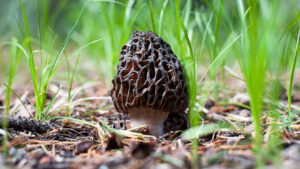
Very dirty specialty mushrooms may need more attention. Morels should be cut open so grit and insects can be removed from the hollow center. Cauliflower mushrooms need to be separated and checked between every fold.
Step 3: Trim only what is tough
Most cultivated mushroom stems are edible. Trim the dry end from button, cremini, and king oyster mushrooms, but keep the remaining stem.
Shiitake stems are often fibrous. Twist or cut them away from the cap. Clean stems can be simmered in stock and removed before serving. Oyster and maitake clusters have a shared base that may be dense or covered with growing material; cut that section away.
For portabella mushrooms, the stem can be chopped for stuffing if it is tender. The dark gills are edible, but some cooks scrape them out when they want a pale sauce or a drier stuffed cap.
Step 4: Match the cut to the dish
The way you cut mushrooms changes their texture.
- Thin slices: Fast cooking for omelets, pizza, and sandwiches
- Thick slices: Better browning for pasta and skillet dishes
- Halves or quarters: Juicy centers for roasting
- Whole small caps: Stuffed mushrooms, stews, and skewers
- Torn pieces: Crisp natural edges on oyster and maitake
- Planks or coins: Firm bites from king oyster stems
- Small dice: Filling, gravy, meat blends, and duxelles
Keep pieces similar in cooking speed, not necessarily identical in shape. Dense mushrooms should be smaller than delicate ones when they share a pan.
Step 5: Decide whether to sauté, roast, grill, or simmer
| Cooking method | Best for | Main preparation tip |
|---|---|---|
| Sautéing | Button, cremini, shiitake, oyster | Dry the surface and use a wide pan |
| Roasting | Cremini, portabella, maitake | Use quarters or large torn pieces |
| Grilling | Portabella, king oyster | Keep pieces thick and oil lightly |
| Stir-frying | Shiitake, shimeji, oyster | Prepare sauce before heating the wok |
| Soup/hot pot | Shiitake, enoki, oyster | Add firm mushrooms before delicate ones |
| Stuffing | Medium button or cremini caps | Remove stems and keep caps intact |
For browning, heat the pan before adding mushrooms. Spread them in one layer and give the first side time to color. If the pan fills with liquid, continue cooking until it evaporates before adding cream or sauce.
A reliable skillet method
Use this technique after completing the preparation steps:
- Heat a wide skillet over medium-high heat.
- Add one tablespoon of olive oil for every 8 ounces of mushrooms.
- Place dry mushroom pieces in one loose layer.
- Leave them undisturbed for two to three minutes.
- Turn and cook until the released liquid evaporates and the edges brown.
- Add butter, garlic, shallot, or herbs near the end.
- Season with salt and pepper, then finish with lemon juice or vinegar.
Garlic cooks much faster than mushrooms. Adding it late prevents a bitter, burned taste.
How to prepare mushrooms for specific meals
For pasta
Use thick cremini or shiitake slices. Brown them before adding cream, tomato sauce, or pasta water. This keeps the sauce from becoming thin.
For pizza
Slice button or cremini mushrooms evenly. If you are using a large quantity, sauté them briefly first so they do not release too much liquid onto the crust.
For soup
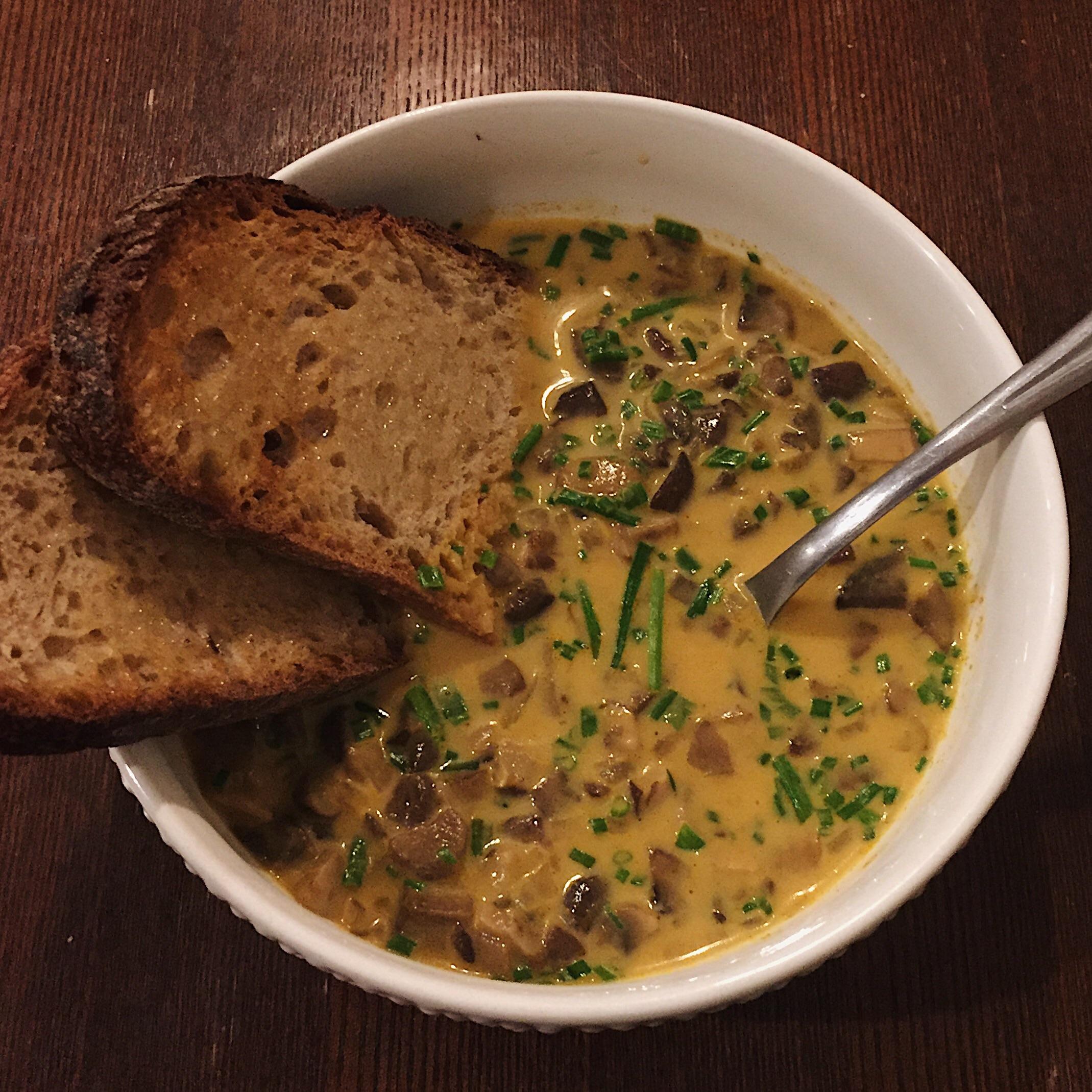
Slice mushrooms for even bites. Brown them first for a rich Western-style soup, or simmer shiitake and shimeji directly in broth for a lighter style.
For stuffing
Choose caps of similar size. Twist out the stems, chop them, and cook them with onion or garlic before combining the filling.
For grilling
Use whole portabella caps or thick king oyster planks. Brush lightly with oil and avoid a long wet marinade, which can encourage steaming.
Common preparation mistakes
- Washing days in advance: Extra surface moisture shortens quality.
- Peeling every button mushroom: Fresh cultivated mushrooms usually do not need peeling.
- Discarding all stems: Many stems are edible and useful.
- Making every slice paper-thin: Thin pieces shrink quickly and lose texture.
- Crowding the pan: Mushrooms steam instead of browning.
- Using wild mushrooms without expert identification: Preparation cannot correct a wrong species identification.
Frequently asked questions
Remove visible dirt. A quick rinse is acceptable when the mushrooms are dried immediately. Avoid soaking ordinary cultivated mushrooms.
No. Wipe or rinse them, trim the stem end, and use the cap and tender stem.
Usually not. Most grocery-store mushrooms can go directly into a hot skillet after cleaning and cutting.
Beginners may find it easier to salt after the first browning stage. This makes moisture easier to manage.
Cut them into a small dice and cook until deeply browned. They blend well into pasta sauce, tacos, meatballs, and rice dishes.