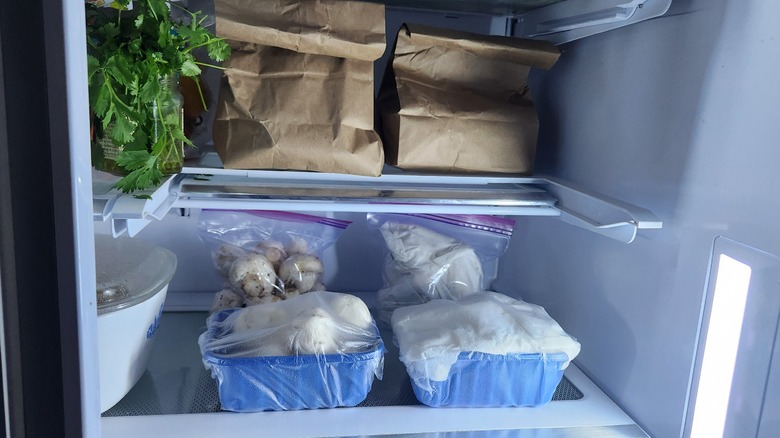

If you are asking how do you store fresh mushrooms, the short answer is: keep them cold, dry, unwashed, and able to breathe. Place loose mushrooms in a plain paper bag or keep a store package in the refrigerator if it has ventilation. Avoid sealing damp mushrooms inside an airtight plastic bag.
Mushrooms continue to release moisture after harvest. Good packaging lets some moisture escape without drying them too quickly.
| Mushroom form | Best refrigerator setup | Main concern |
|---|---|---|
| Whole, loose | Plain paper bag | Prevent trapped moisture |
| Original store pack | Keep refrigerated; preserve ventilation | Watch for condensation |
| Pre-sliced | Original pack or vented container | Use sooner than whole mushrooms |
| Home-sliced | Dry container with paper towel | More exposed surface |
| Cooked | Covered food container | Cool promptly before storing |
| Delicate oyster/maitake | Paper bag or breathable container | Fragile caps and faster quality loss |
| Dried mushrooms | Airtight container in a cool, dry place | Moisture absorption |
Why breathable packaging works
A sealed plastic bag traps condensation around fresh mushrooms. That wet surface encourages softening, dark spots, and slime. A paper bag absorbs some surface moisture while allowing air movement.
Do not wrap mushrooms loosely in an open towel without a container because they may dry out too quickly. The goal is balance: enough ventilation to prevent condensation, but enough protection to limit moisture loss and physical damage.
If the original package is clean, dry, and ventilated, it can remain useful. Replace it when water collects inside or the wrap is completely airtight.
Step-by-step storage method
- Inspect the mushrooms as soon as you return from the store.
- Remove any mushroom that is damaged, very wet, moldy, or badly crushed.
- Do not wash the remaining mushrooms.
- Place loose mushrooms in a clean, unwaxed paper bag.
- Fold the top gently; do not pack the bag tightly.
- Refrigerate promptly at 40°F or below.
- Check the bag before cooking and use the most delicate pieces first.
Store mushrooms away from raw meat and meat juices. Keep them where they will not be crushed by heavy produce or containers.
Why you should wait to wash them
Cleaning adds surface moisture. When that moisture stays inside packaging, the mushrooms lose quality faster. Brush or rinse them shortly before cooking, then dry them.
If mushrooms were washed accidentally, spread them on a clean towel until completely dry. Transfer them to a paper-lined breathable container and plan to use them soon.
The answer to how do you store fresh mushrooms is therefore different from how you prepare them: store unwashed, but clean just before cooking.
Whole versus sliced mushrooms
Whole mushrooms generally keep their texture longer because less surface is exposed to air. Slice them close to cooking time when possible.
Pre-sliced mushrooms save time, but inspect the bottom of the package for moisture and darkening. Once opened, move them to a clean container lined with a dry paper towel and allow some ventilation. Use them before whole mushrooms purchased at the same time.
Home-sliced mushrooms are best for near-term meal prep. Label the container with the preparation date so the pieces are not forgotten.
Storing specialty mushrooms
Oyster and maitake
Keep clusters in a paper bag or breathable container. Do not place heavy foods on top. Their thin caps and frilly edges are easily bruised.
Shiitake
Store dry and unwashed. Separate caps from tough stems only when preparing the meal. Dried shiitake belongs in an airtight pantry container, not a paper bag.
Enoki
Keep the unopened package refrigerated and follow label directions. After opening, protect the long stems from moisture and crushing. Cook thoroughly according to current package guidance.
Portabella
Keep caps in a paper bag or ventilated package. Store them cap-side up when possible so the broad surface is less likely to break.
Where in the refrigerator should mushrooms go?
Choose a consistently cold area with enough room for air circulation. Avoid the refrigerator door because temperatures change each time it opens. A clean produce drawer can work if it does not trap excessive humidity.
Keep the refrigerator at 40°F or below. Do not pack the paper bag against a wet wall or beneath dripping produce. The best spot is the one that remains cold, dry, and visible enough that you remember to use the mushrooms.
How to store cooked mushrooms
Cool cooked mushrooms promptly. Transfer them to a shallow covered container and refrigerate. Label the container with the date and the complete dish name, especially when it contains dairy, meat, eggs, or other ingredients your household needs to identify.
Cooked mushrooms in cream sauce follow the storage limits of the full dish, not raw produce. Reheat only the portion you need until it is steaming hot.
For better texture, reheat in a skillet or oven. A microwave is faster but may soften browned edges.
Can you freeze mushrooms?
Cooking before freezing usually gives a better texture. Sauté or steam fresh mushrooms, cool them promptly, and freeze meal-size portions in freezer-safe containers.
Raw frozen mushrooms can become soft and watery after thawing. They may still work in soup or sauce, but are less appealing as a side dish. Use frozen cooked mushrooms directly in a hot recipe when practical.
Label packages with the date and amount. Removing excess air helps protect quality, but freezing does not improve mushrooms that were already spoiled.
Signs mushrooms should be discarded
Do not use mushrooms with:
- Visible mold
- A strong sour, fishy, or rotten odor
- Widespread wet slime
- Collapsed, leaking tissue
- Unusual liquid collecting around badly degraded pieces
A slightly dry or wrinkled mushroom is different from a slimy one. Dry mushrooms can often be cooked in soup or sauce if they otherwise look and smell normal. When uncertain, discard them instead of tasting them as a test.
Storage mistakes to avoid
- Washing mushrooms before putting them away
- Closing damp mushrooms in an airtight bag
- Leaving them on the counter for extended periods
- Storing them beside raw meat juices
- Slicing the full package days before cooking
- Packing delicate caps under heavy produce
- Forgetting to label cooked or frozen portions
Frequently asked questions
No. A clean ventilated store package can work. A paper bag is especially useful for loose mushrooms or after the original package is opened.
Yes, if the container prevents crushing and allows ventilation. Add a dry paper towel and avoid sealing visible moisture inside.
Fold it loosely. A tight seal is unnecessary; the bag needs to manage moisture while protecting the mushrooms.
Yes, but delicate mushrooms may need to be used first. Keep varieties separate when one is damp or has a stronger odor.
If they have no mold, bad odor, or wet decay, cook them soon in soup, sauce, gravy, or filling.