
Learning how to store fresh mushrooms is mostly about controlling moisture. Refrigerate them promptly, keep them unwashed until cooking, and use packaging that protects them without trapping condensation. A dry ventilated store package or plain paper bag is usually more suitable than sealed plastic.
Mushrooms are delicate. They continue losing quality after harvest, and thin specialty varieties can decline faster than firm whole buttons. The right routine begins before the mushrooms reach your refrigerator.
| Stage | Best action | Why it helps |
|---|---|---|
| At the store | Choose firm, dry mushrooms | Storage cannot reverse existing damage |
| Trip home | Keep them shaded and avoid a hot car | Heat shortens quality |
| Before refrigeration | Do not wash | Prevents added surface moisture |
| Packaging | Use ventilation or a paper bag | Reduces trapped condensation |
| Refrigerator | Keep at 40°F or below | Slows deterioration |
| Before cooking | Inspect, clean, and trim | Catches problems before they enter a dish |
Start with a better package
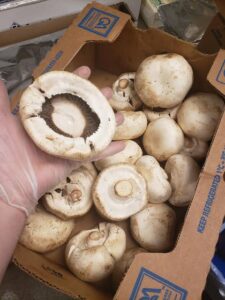
Check every side of the container. Look for firm caps and dry surfaces. A small amount of harmless growing medium is expected. Avoid packages with water pooled underneath, crushed pieces, widespread dark wet spots, visible mold, or an unpleasant odor.
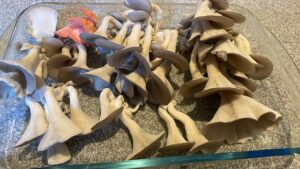
Whole mushrooms are the better choice when storage life matters. Pre-sliced mushrooms save preparation time but expose more surface to air, bruising, and moisture loss. Delicate mushrooms such as oyster or maitake should be purchased close to the day you plan to cook them.
Store mushrooms without washing
Clean mushrooms immediately before use rather than on shopping day. Added water can become trapped against the surface, especially in plastic packaging.
If you washed them by accident, dry them thoroughly with a clean towel. Spread them briefly in a single layer so hidden droplets can evaporate, then refrigerate in a breathable, paper-lined container and cook them soon.
Choose the right container
Ventilated store packaging
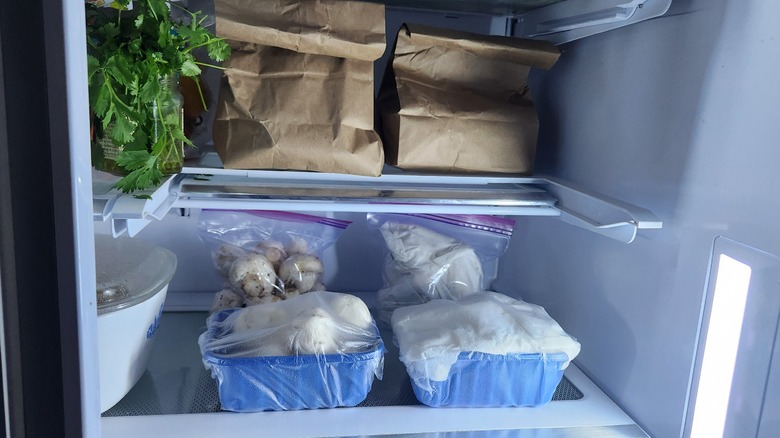
Keep the original package when it is dry and designed with ventilation. Once opened, cover it loosely or move the remaining mushrooms to a bag or container that allows limited airflow.
Plain paper bag
A paper bag helps absorb light moisture and allows the mushrooms to breathe. Place dry whole mushrooms inside and fold the top loosely. Do not pack the bag tightly.
Paper-lined container
A rigid container protects oyster, maitake, and other fragile shapes. Line it with a dry paper towel and leave some ventilation. Replace the liner if it becomes damp.
What to avoid
Do not lock wet fresh mushrooms inside an airtight zipper bag or sealed jar. Airtight containers are useful for cooked mushrooms and fully dried mushrooms, not damp raw produce.
Refrigerator location matters
Choose a shelf or crisper area that stays cold without freezing the mushrooms. The refrigerator door experiences repeated temperature changes. A packed drawer may also become overly humid, so inspect the bag rather than forgetting it.
Keep raw animal products securely contained on a lower shelf. Store mushrooms where raw juices cannot drip onto them. Do not put heavy items on top of soft caps.
Storage by mushroom type
White button and cremini
These firm cultivated mushrooms are relatively forgiving. Keep them whole when possible, in a ventilated package or paper bag.
Portabella
Protect the broad cap and exposed gills from crushing. A large rigid container or the original tray may work better than a narrow bag.
Oyster
Keep the cluster intact until needed and use it early. Thin caps lose moisture and bruise readily.
Shiitake
Store the dry caps with ventilation. Leave the stems attached until preparation; tough stems can be saved for stock.
Maitake
Use a paper-lined container that protects its many fronds. Tear off portions only as needed.
How long do fresh mushrooms keep?
Many purchased mushrooms are best within several days, and properly stored whole cultivated mushrooms may keep for up to about a week. Treat that as a planning guideline, not permission to ignore their condition.
Farmers-market mushrooms may have been harvested very recently, while a grocery package may already have spent time in transportation. Temperature and moisture history matter. Check the product each day and use delicate mushrooms first.
What normal aging looks like
Mushrooms may become slightly dry, wrinkled, or darker as they age. Those changes affect quality. If the mushrooms remain dry, smell normal, and have no mold, cook them promptly in a thoroughly heated dish.
Spoilage warning signs are different:
- Widespread slick or wet slime
- Sour, fishy, fermented, or rotten odor
- Fuzzy mold
- Leaking or collapsed tissue
- Extensive dark, wet decay
- A package filled with abnormal liquid
Do not taste a questionable mushroom. Discard it when the signs are unclear.
How to plan meals around freshness
Make a simple “first in, first cooked” plan. Use fragile mushrooms in the first meal. Reserve firm whole buttons or cremini for later. Once a package is opened, place it at eye level so it is not forgotten.
Sauté mushrooms that are beginning to dry and add them to eggs, pasta, rice, pizza, tacos, soup, or gravy. Browning first improves flavor and removes moisture. Cooked mushrooms can then be cooled promptly and refrigerated in a covered container.
Freezing fresh mushrooms
For better texture, cook or blanch mushrooms before freezing rather than freezing them raw. Cool the prepared mushrooms, pack them in freezer-safe portions, remove excess air, label the package, and freeze.
Frozen cooked mushrooms work best in soups, sauces, casseroles, and other heated dishes. Freezing changes texture, so they may not resemble freshly sautéed mushrooms after thawing.
Drying as another option
Drying works especially well for mushrooms intended for soup, sauce, or seasoning powder. Use a tested food-preservation method, dry the pieces fully, cool them, and store them in a clean airtight container away from heat, light, and humidity.
Only preserve mushrooms that were sold as food or positively identified by a qualified expert. Drying does not neutralize every dangerous wild species.
Common myths
“Mushrooms must be sealed to stay fresh.”
Fresh mushrooms need moisture control. Sealing a wet batch can accelerate sliminess.
“Never let water touch a mushroom.”
A brief rinse is acceptable when the mushrooms are dried and cooked promptly. Long soaking and washing far in advance are the bigger problems.
“A date guarantees freshness.”
Dates help with planning, but temperature, condition, and handling still matter. Inspect the food.
“Cooking repairs spoiled mushrooms.”
Cooking changes flavor and texture; it does not turn decayed produce back into good food.
Five-minute refrigerator reset
When putting groceries away, remove old produce from the mushroom area, wipe up moisture, and make space so the package will not be crushed. Mark the purchase date, place delicate varieties in front, and add one mushroom meal to the week’s plan.
Check the package whenever you open the produce drawer. If the liner is damp, replace it. If sound mushrooms are beginning to dry, move the planned recipe forward. These small actions are more effective than searching for a special container after deterioration has started.
Frequently asked questions
Use a paper towel as a dry liner inside a breathable package. Do not wrap wet mushrooms tightly and forget them.
Keep a dry ventilated package. Transfer them if the film traps droplets or the tray contains moisture.
Ask the grower for variety-specific advice, then keep them cold, dry, and protected. Use delicate types early.
Refrigerate perishable fresh mushrooms promptly. Room-temperature display is not the right long-term storage method.
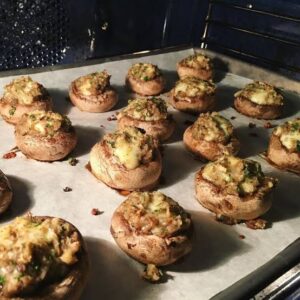
If they have no spoilage signs, cook them soon in a sauce, soup, stuffing, or well-browned skillet dish.