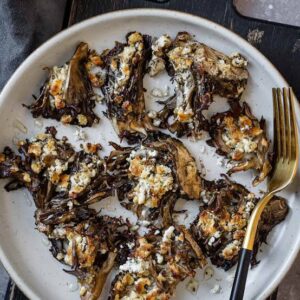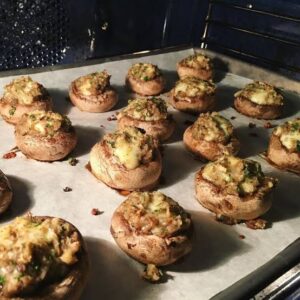
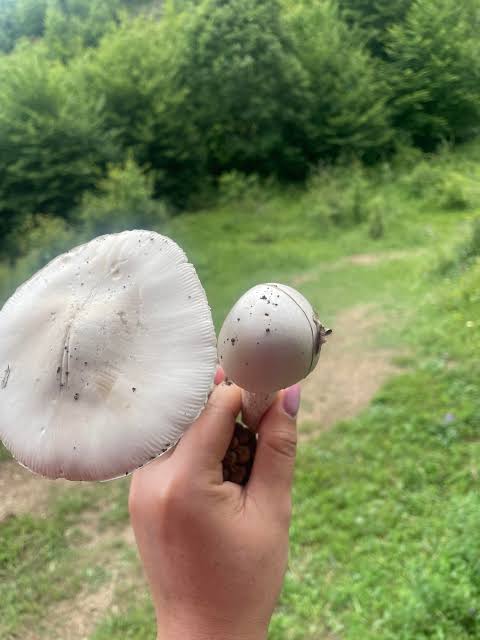

Foraged mushrooms can offer exceptional flavor and a closer understanding of local forests, but they require far more care than supermarket mushrooms. Every specimen intended for food needs confident species-level identification, legal collection, sound condition, separation from unknown fungi, and appropriate cooking.
Do not begin by asking whether a mushroom “looks edible.” Begin with habitat, structure, spore features, regional distribution, and expert verification. There is no universal color, smell, taste, or animal-feeding test that proves safety.
| Stage | Best practice | Avoid |
|---|---|---|
| Permission | Check the exact land manager’s current rules | Assuming all public land allows collection |
| Collection | Take complete specimens and habitat photos | Cutting away diagnostic stem bases |
| Transport | Separate species in paper or waxed paper | Mixing unknown and edible mushrooms |
| Identification | Use regional keys and qualified experts | Trusting one app or photo |
| Kitchen | Keep only confirmed, fresh specimens | Cooking old, buggy, or uncertain finds |
| First meal | Cook thoroughly and try a small portion | Serving a large mixed batch |
Know the rules before collecting
Collection law varies across national forests, state land, city parks, preserves, and private property. Some areas prohibit removal. Others allow small personal-use quantities or require a free or paid permit. Commercial harvest usually has separate rules.
Check the current webpage or office for the specific property. A rule from one national forest does not automatically apply to a neighboring district. Matsutake and other commercially valuable species may have special limits.
Obtain permission on private land. Respect closures, research areas, tribal lands, restoration zones, and protected habitats.
Collect for identification first
For a new species, take only a few representative specimens unless a local rule or conservation concern says not to collect. Include young, mature, and older examples when abundant.
Lift the entire stem base carefully because cups, bulbs, rooting structures, and attached material can be diagnostic. Photograph the mushroom before collection and record:
- Exact substrate: soil, leaf litter, mulch, log, stump, or living tree
- Nearby tree species
- Growth pattern: single, scattered, clustered, ring, or shelf
- Cap top and underside
- Stem base, ring, veil, or web-like fibers
- Color changes after handling
- Odor in plain words
- Date, recent weather, and geographic area
Never taste an unknown mushroom as a casual identification shortcut.
Separate specimens
Use paper bags, waxed paper, or small rigid boxes. Label each collection. Unknown mushrooms should never share a container with confirmed food, because broken fragments can become impossible to sort.
A breathable basket protects delicate caps and reduces condensation. Plastic grocery bags trap heat and moisture, causing rapid decay.
Identification is a process
Reliable identification may require a regional key, spore print, chemical reaction, microscopy, or DNA. The expertise needed varies by group.
Online communities can help generate possibilities, but provide full photographs and habitat notes. Do not ask for a yes-or-no edibility decision from one blurry cap photo. Local mycological clubs, extension resources, diagnostic labs, and experienced identifiers provide stronger support.
Names also change. Confirm that the field guide matches your region and that its taxonomy is reasonably current.
Evaluate condition after identification
A correctly identified edible species can still be unsuitable if it is decayed, moldy, contaminated, waterlogged, or filled with insects. Keep young, firm specimens and trim damaged areas only when the remaining mushroom is sound.
Avoid mushrooms from chemically treated lawns, polluted roadside soil, industrial sites, or contaminated wood. Do not collect where legal access or environmental history is uncertain.
Cleaning foraged mushrooms
Different shapes require different cleaning methods. Morel pits hold debris; maitake fronds hide leaves and insects; boletes may have soft pore layers; oyster clusters can trap bark.
Start dry with a brush and knife. Separate clusters carefully and inspect interior crevices. Use a quick rinse only when necessary and dry the mushrooms immediately. Soaking can waterlog delicate flesh and hide deterioration.
Clean and identify one species at a time. Keep labels with the batch until cooking is complete.
Cooking principles
Cook wild mushrooms thoroughly. Even familiar edible species may be unpleasant or hard to digest when raw. Use a small amount for the first meal and eat only one new species at a time, which makes any individual sensitivity easier to trace.
Dry sauté for wet mushrooms
Place sliced mushrooms in a skillet without fat and cook until released moisture evaporates. Then add oil or butter and brown them.
Roast sturdy species
Toss sound pieces lightly with oil and roast on a roomy pan. This works well for maitake fronds and many cultivated-style textures.
Add delicate species late
Thin caps can become tough or disappear in long braises. Brown them quickly and add to the finished sauce.
Never assume boiling, frying, drying, or pickling neutralizes a poisonous mushroom.
Storage for foraged mushrooms
Refrigerate freshly collected edible mushrooms promptly in separate, breathable paper containers. Label the species, location, and collection date. Cook them as soon as practical.
For freezing or drying, follow a tested food-preservation method and use only confirmed, sound mushrooms. Retain identification records with preserved batches. If several species were collected, preserve them separately.
Sustainable harvest habits
Take only what you can identify and use. Avoid raking or digging large areas. Replace disturbed soil or leaf litter and follow property-specific instructions. Leave old and young mushrooms to complete ecological roles and provide food and habitat for wildlife.
Pack out trash and avoid spreading invasive plants between locations. Clean soil from footwear and tools when moving between sensitive habitats.
Create a permanent collection record
For every edible batch, record the current scientific name, common name, collection date, general location, habitat, identifier, and preparation. Add clear photographs of the top, underside, stem base, and cross-section.
This record helps track productive seasons and prevents memory from becoming more confident than the original identification. It also shows whether a later taxonomic update changed the accepted name.
Do not use an old record to approve a new specimen automatically. Each collection must be checked because several species can fruit at the same site and time.
When not to harvest
Leave specimens that are rare, very young, overmature, waterlogged, moldy, heavily insect damaged, or needed for an educational identification session. Skip sites affected by pollution, chemical treatment, wildfire closure, flooding, or uncertain ownership. A successful trip can consist entirely of photographs and notes.
Emergency preparation
Before eating wild mushrooms, keep an uncooked sample in a labeled paper bag in the refrigerator. Record who identified it and where it was collected. This information can help professionals if an illness occurs.
If anyone becomes ill after eating a wild mushroom, seek urgent professional help and provide the saved specimen and meal details. Do not wait for a web forum to identify the mushroom.
Frequently asked questions
An app can suggest possibilities but should not make the final eating decision. Hidden structures and regional look-alikes matter.
Brush first, rinse only as needed, and dry quickly. Cleaning does not replace identification.
No. Keep every unknown collection separate to prevent fragments from mixing.
No. Animals and humans can respond differently, and an animal bite does not establish the species.
No. Ownership, permits, species limits, and protected-area rules vary by location.