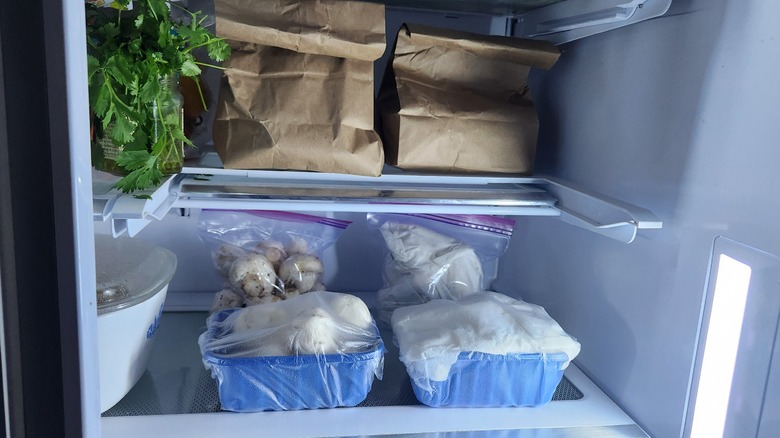

The best answer to how to store mushrooms in the refrigerator is simple: keep fresh mushrooms cold, unwashed, dry, and able to breathe. Leave a dry ventilated package intact or move loose mushrooms to a plain paper bag. Avoid sealing damp mushrooms inside airtight plastic, where condensation can collect and speed up sliminess.
Good storage starts at the store and continues through meal prep. Packaging cannot restore mushrooms that are already wet, crushed, or old, so inspect them before buying and plan to use delicate varieties first.
Refrigerator storage at a glance
| Mushroom form | Best container | General planning window | Main concern |
|---|---|---|---|
| Whole cultivated mushrooms | Ventilated package or paper bag | Several days; often up to about a week | Condensation and bruising |
| Pre-sliced mushrooms | Ventilated package; dry towel after opening | Shorter than whole mushrooms | Exposed surfaces dry or darken faster |
| Delicate oyster or maitake | Paper-lined breathable container | Use early | Thin edges bruise and wilt |
| Home-cooked mushrooms | Shallow covered container | Usually 3–4 days | Prompt cooling and cross-contamination |
| Dried mushrooms | Airtight container in a cool, dry pantry | Not normally refrigerated | Humidity |
These are planning ranges rather than guarantees. Freshness at purchase, refrigerator temperature, packaging, and handling can shorten them.
Step-by-step storage method
- Inspect the mushrooms. Remove any leaking, moldy, badly crushed, or strongly odorous pieces.
- Keep them unwashed. Surface water is easier to control when cleaning happens just before cooking.
- Choose breathable packaging. Retain a dry ventilated store package or use a paper bag.
- Add a dry liner if needed. A paper towel can absorb light condensation, but replace it if it becomes wet.
- Use a stable refrigerator shelf. Avoid the door, where temperature changes are frequent.
- Prevent crushing. Do not stack heavy jars or produce on top of delicate caps.
- Check them daily. Cook mushrooms before small quality changes become spoilage.
Paper bag or original package?
Both can work. A ventilated original package protects the mushrooms and lets some moisture escape. If the film is completely sealed and droplets collect inside, open the package or transfer the mushrooms to a paper bag.
A paper bag absorbs some surface moisture while allowing airflow. Fold the top loosely; do not seal it like an airtight pouch. For fragile oyster mushrooms, a rigid container lined with dry paper can prevent crushing better than a bag.
The goal is balance. Too much trapped moisture encourages a wet surface, while too much airflow can dry the mushrooms. Slight drying is usually easier to manage in a cooked dish than widespread slime.
Where to place mushrooms
Store them on a shelf where the temperature remains consistent and the package stays visible. Some refrigerators maintain suitable produce conditions in a crisper drawer, but a crowded humid drawer can trap moisture. Check the actual environment instead of relying only on the drawer label.
Keep raw meat, poultry, and seafood contained below ready-to-eat produce so juices cannot drip onto the mushrooms. A refrigerator thermometer can help confirm that the appliance remains at 40°F or below.
Should mushrooms be washed before refrigeration?
Usually no. Brush or rinse mushrooms just before cooking, then dry them. Washing an entire package in advance adds moisture that may sit against the surface for days.
If they have already been washed, spread them on a clean towel, pat them thoroughly dry, and use them soon. Place them in a breathable paper-lined container rather than returning wet mushrooms to a sealed plastic bag.
How to store sliced mushrooms
Whole mushrooms generally keep their quality longer because cutting exposes more surface area. If you buy pre-sliced mushrooms, inspect the bottom of the tray for liquid and collapsed pieces. Follow the package date and instructions.
After opening, line a clean container with a dry paper towel and provide some ventilation. Slice home-prepped mushrooms only when needed. For make-ahead cooking, preparing the other ingredients first often gives a better result than cutting mushrooms several days early.
Storing specialty varieties
Oyster mushrooms
Oyster caps are thin and can bruise under weight. Keep the cluster intact when practical and use a rigid, breathable container. Cook them early in the week.
Shiitake mushrooms
Keep the caps dry and ventilated. Remove tough stems only when preparing the meal. The stems can flavor stock.
Maitake mushrooms
Protect the ruffled cluster from crushing. Tear off only the portion needed and return the remaining dry cluster to breathable storage.
Portabella mushrooms
Large caps need space. Store them gill-side up or in a single layer when possible so neighboring produce does not damage the surface.
Signs mushrooms are no longer good
Discard mushrooms that have widespread wet slime, visible fuzzy mold, leaking tissue, a sour or rotten smell, or extensive dark wet decay. Do not taste a questionable mushroom to test it.
Small dry wrinkles or a slightly darker surface can be quality changes rather than spoilage. If the mushrooms remain dry, smell normal, and have no mold, cook them promptly in soup, sauce, gravy, or a filling. When condition is uncertain, discarding is the safer choice.
How to reduce food waste
Plan meals in order of delicacy. Use oyster and maitake first, sliced mushrooms next, and firm whole buttons later. Move mushrooms that are beginning to dry into cooked recipes rather than saving them for a raw presentation.
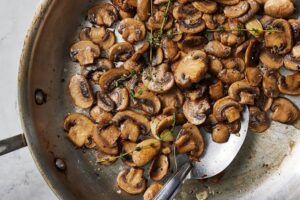
Brown a large batch and divide it among omelets, pasta, grain bowls, pizza, and soup. You can also freeze properly cooked mushrooms for later recipes. Label cooked or frozen containers with the preparation date and contents.
Common storage mistakes
- Washing the full package days before use
- Sealing wet mushrooms in an airtight bag
- Leaving condensation untouched
- Storing them in the refrigerator door
- Hiding the package behind larger containers
- Crushing delicate mushrooms under heavy produce
- Assuming a printed date replaces checking smell and texture
- Mixing new mushrooms with an older wet batch
A simple weekly storage schedule
On shopping day, inspect the package and write the purchase date on the bag. Plan delicate oyster or maitake for the next one or two meals. Reserve whole button or cremini mushrooms for later in the week, but continue checking them.
Midweek, look for a damp liner, condensation, or pieces beginning to soften. Replace wet paper and cook any sound mushrooms showing early dryness. Near the end of the planned window, brown the remaining good mushrooms in one batch instead of waiting for another meal idea.
This schedule is not a replacement for inspection. It simply keeps the package visible and turns storage into an active meal plan rather than a forgotten produce drawer item.
Frequently asked questions
Many fresh cultivated mushrooms are best used within several days and may keep for up to about a week under good conditions. Follow the package guidance and inspect them.
Yes, if raw mushrooms remain dry and the container has ventilation. A sealed jar is more suitable for fully dried mushrooms than fresh ones.
It can absorb light moisture. Replace it when damp, because a wet towel held against mushrooms defeats the purpose.
Yes. Cool them promptly and place them in a shallow covered container. Use plain cooked mushrooms within about three to four days.
Washing does not reverse spoilage. Discard mushrooms with widespread slime, off odors, mold, or leaking tissue.