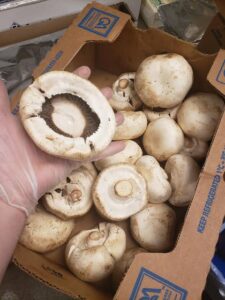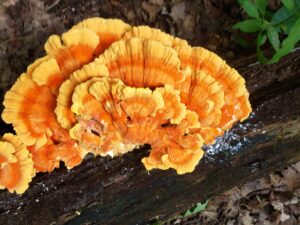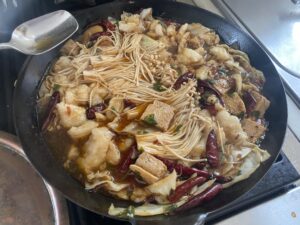
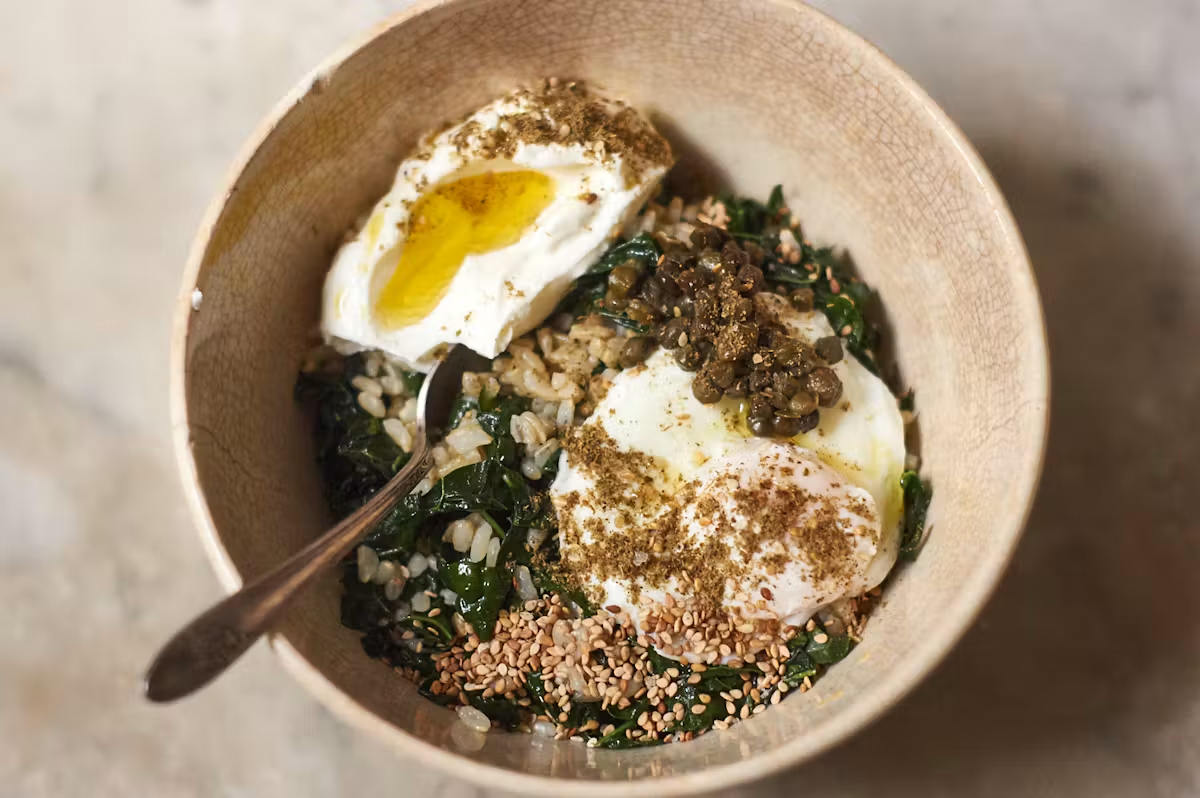

The best wild mushroom recipes protect the character of each species instead of hiding it under heavy seasoning. Chanterelles pair well with butter and eggs, maitake develops crisp edges, morels suit cream sauces, and firm boletes add depth to soup and risotto.
Only cook wild mushrooms that have been confirmed to species by a qualified local expert. Clean and label each species separately, discard old or damaged specimens, cook thoroughly, and use one new species at a time.
| Recipe | Best texture | Main method | Approximate time |
|---|---|---|---|
| Garlic-herb skillet mushrooms | Firm caps and fronds | Sauté | 15–20 minutes |
| Crispy roasted maitake | Ruffled clusters | Roast | 25 minutes |
| Creamy mushroom toast | Aromatic tender species | Sauté and simmer | 25 minutes |
| Wild mushroom pasta | Mixed firm mushrooms | Brown and toss | 30 minutes |
| Simple risotto | Firm, flavorful mushrooms | Brown and stir | 40 minutes |
| Brothy mushroom soup | Fresh or properly dried mushrooms | Simmer | 45 minutes |
| Mushroom and egg scramble | Delicate cooked pieces | Quick skillet | 15 minutes |
Before cooking wild mushroom recipes
Retain an uncooked labeled sample of each wild species in the refrigerator. This preserves identifying material if a problem occurs. Do not put unknown specimens on the same cutting board as confirmed food.
Brush off dry debris, trim dirty bases, and separate clusters to inspect hidden areas. Rinse only when necessary, then dry thoroughly. Morels need careful inspection inside their hollow bodies; maitake needs cleaning between branches; boletes may have an old soft pore layer that should be evaluated.
General first-time rule
Cook mushrooms completely and serve a small portion. Do not combine three unfamiliar species in the first meal. Individual sensitivity can occur even with recognized edible mushrooms.
1. Garlic-herb skillet mushrooms
Ingredients
- 8 ounces confirmed edible wild mushrooms
- 1 tablespoon olive oil
- 1 tablespoon butter
- 1 small shallot, chopped
- 1 garlic clove, chopped
- Salt and black pepper
- 1 teaspoon thyme leaves
- 1 teaspoon lemon juice
Method
Cut mushrooms into similar-sized pieces. Heat a wide skillet, add oil, and spread the mushrooms in one layer. Brown the first side before stirring. Cook until released moisture evaporates, then add butter, shallot, thyme, salt, and pepper. Add garlic during the final minute and finish with lemon.
This base method works for cultivated mushrooms too and is the best way to learn a new wild mushroom’s flavor.
2. Crispy roasted maitake
Ingredients
- 1 pound cleaned maitake sections
- 2 tablespoons olive oil
- Salt and pepper
- ½ teaspoon smoked paprika, optional
- Lemon wedges
Method
Heat the oven to 425°F. Keep the pieces large enough that the thin edges do not burn. Toss lightly with oil and seasonings, spread on a large metal pan, and roast for 20 to 30 minutes. Turn once and remove when the edges are crisp and the branches tender.
Serve over polenta or beside roasted vegetables.
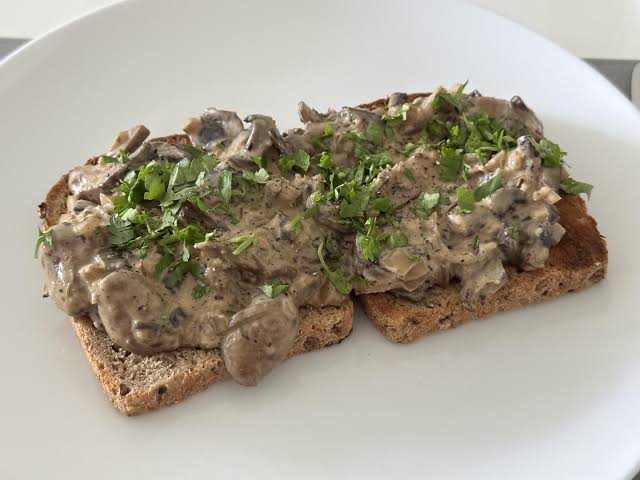
3. Creamy wild mushroom toast
Ingredients
- 8 ounces cooked-safe wild mushrooms
- 1 tablespoon butter
- 1 shallot
- ⅓ cup broth
- ½ cup heavy cream
- Thyme, salt, and pepper
- 4 thick slices toasted bread
Method
Brown the mushrooms in butter and remove them. Soften the shallot, add broth, and scrape up the browned bits. Add cream and simmer until lightly thickened. Return the mushrooms, season, and spoon over toast.
For a dairy-free version, use olive oil and an unsweetened cooking cream that tolerates heat.
4. Wild mushroom pasta
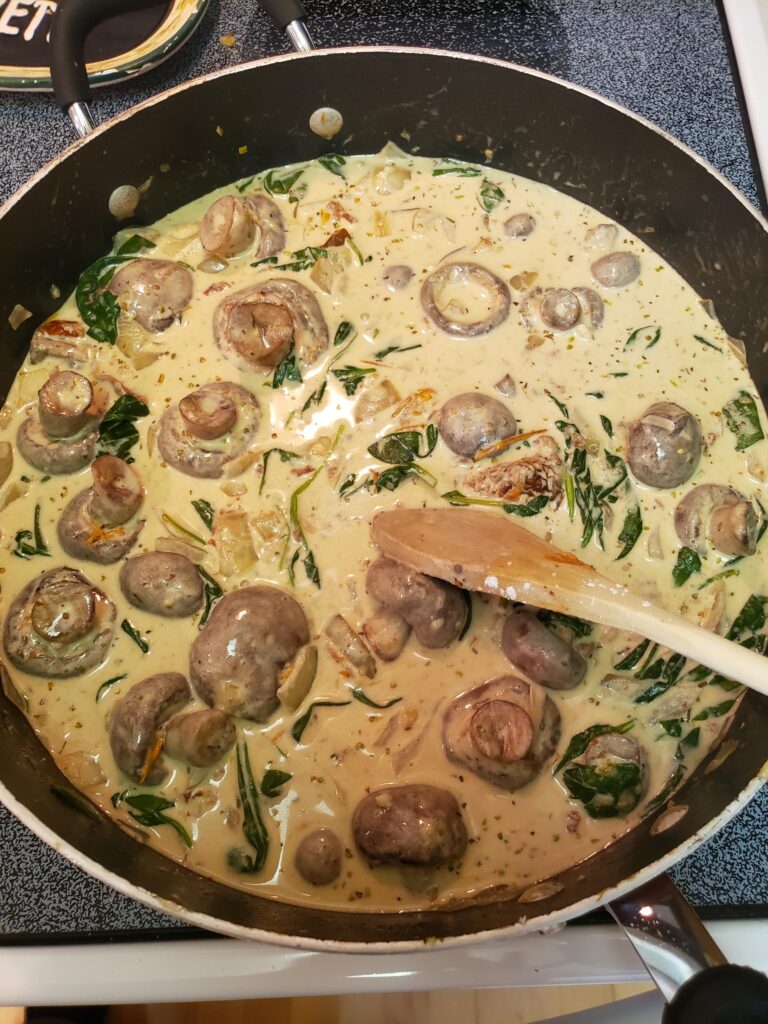
Brown 12 ounces of mushrooms in batches. Add shallot and garlic, then deglaze with ½ cup broth or a small splash of dry white wine. Toss with 12 ounces of cooked pasta, ½ cup reserved pasta water, Parmesan, parsley, and lemon zest.
Add crisp mushrooms at the end instead of simmering them for a long time. Use the pasta water gradually so the sauce remains glossy rather than thin.

5. Simple wild mushroom risotto
Brown eight ounces of mushrooms separately and reserve them. In a saucepan, soften finely chopped onion in butter or oil. Add one cup Arborio rice and stir until the grains look slightly translucent at the edges.
Add warm broth a ladle at a time, stirring often and allowing each addition to absorb. When the rice is creamy and tender with a slight bite, fold in most of the mushrooms, Parmesan, and parsley. Place the remaining browned mushrooms on top.
Properly dried mushrooms can flavor the broth. Strain their soaking liquid through a fine filter before use.
6. Brothy mushroom soup
Brown one pound of mushrooms in a Dutch oven, working in batches. Add onion, carrot, celery, and garlic. Pour in six cups of broth, add thyme and a bay leaf, and simmer until the vegetables are tender.
Add barley, noodles, beans, or cooked chicken if desired. Keep the broth light when using a strongly aromatic mushroom. Finish with parsley and a small amount of vinegar or lemon.
7. Mushroom and egg scramble
Cook four ounces of chopped mushrooms thoroughly before adding eggs. Once the pan is mostly dry and the mushrooms are brown, add butter and pour in six beaten eggs. Stir gently over medium-low heat until softly set. Add chives and black pepper.
Never place raw wild mushrooms directly into eggs and assume the short egg-cooking time is enough. Complete the mushroom cooking stage first.
Substitution guide for wild mushroom recipes
| If the recipe names | Practical alternative |
|---|---|
| Chanterelles | Cultivated oyster mushrooms for a delicate texture |
| Maitake | Cultivated maitake or oyster clusters |
| Porcini/boletes | Cultivated cremini plus dried porcini from a trusted seller |
| Morels | Cultivated mixed mushrooms in a cream sauce |
| Mixed wild mushrooms | A store-bought cultivated blend |
Commercial cultivated mushrooms are the safer substitute when expert wild identification is not available.
Storage and leftovers
Refrigerate raw verified mushrooms in labeled breathable containers and cook promptly. Cool cooked dishes quickly and store in shallow covered containers. Plain cooked mushrooms are generally used within three to four refrigerated days, but a complete recipe follows its most perishable ingredient.
Reheat thoroughly. Sauces may need a splash of broth, while roasted mushrooms reheat best in a hot skillet or oven.
Building a tasting menu safely
When serving a verified species for the first time, make it the only wild mushroom in the meal and keep the portion small. Prepare an additional cultivated-mushroom dish for guests who do not want to participate.
Write the confirmed species name on the menu and keep collection notes. Avoid other new foods that would make the source of a reaction harder to interpret. Save an uncooked labeled sample until everyone has finished the meal without a problem.
For later meals, pair mushrooms by cooking behavior: sturdy pieces together, delicate caps together, and properly dried mushrooms in broth-based recipes. This produces more even texture than treating every wild mushroom as interchangeable.
Frequently asked questions
Yes, after each has been independently identified and previously eaten without a problem. For a first tasting, use one species.
Some species have special preparation requirements. Follow species-specific expert guidance rather than a universal rule.
Yes, when they come from a verified source and were dried safely. Rehydrate and filter the soaking liquid.
Butter or oil, shallot, garlic, thyme, parsley, black pepper, and a little acid complement many species.
No. Identification comes before cooking, and heat does not neutralize every toxin.